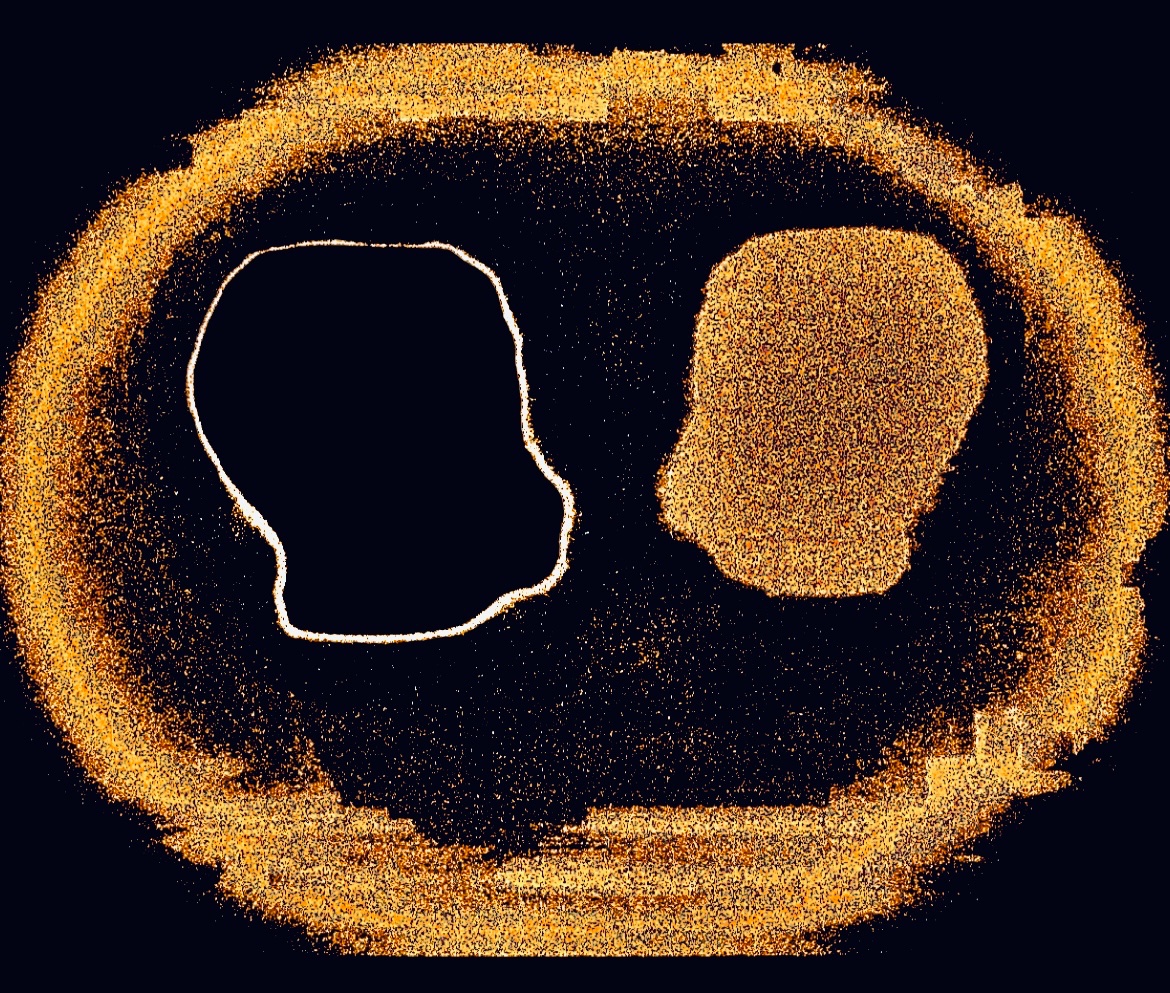
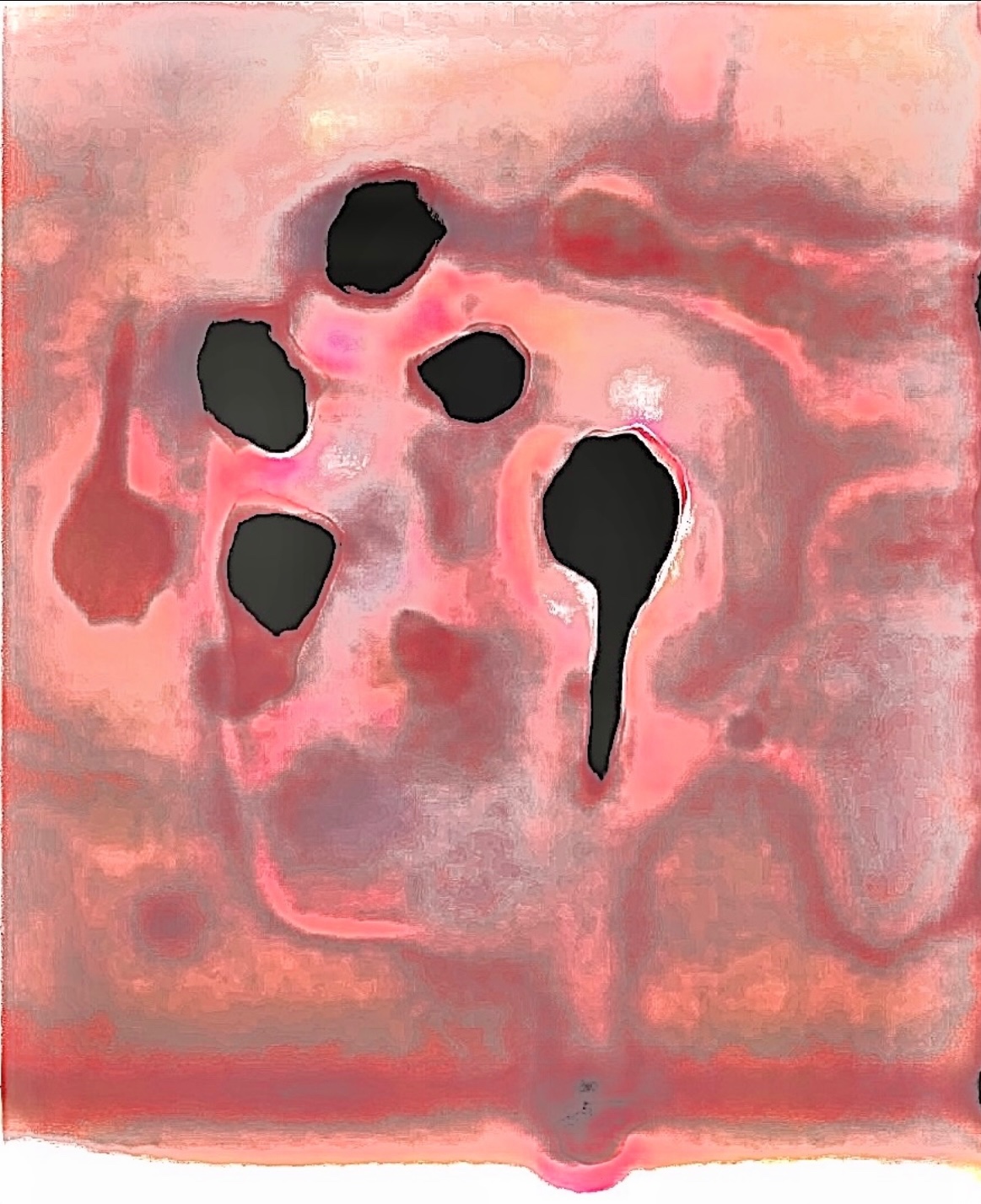
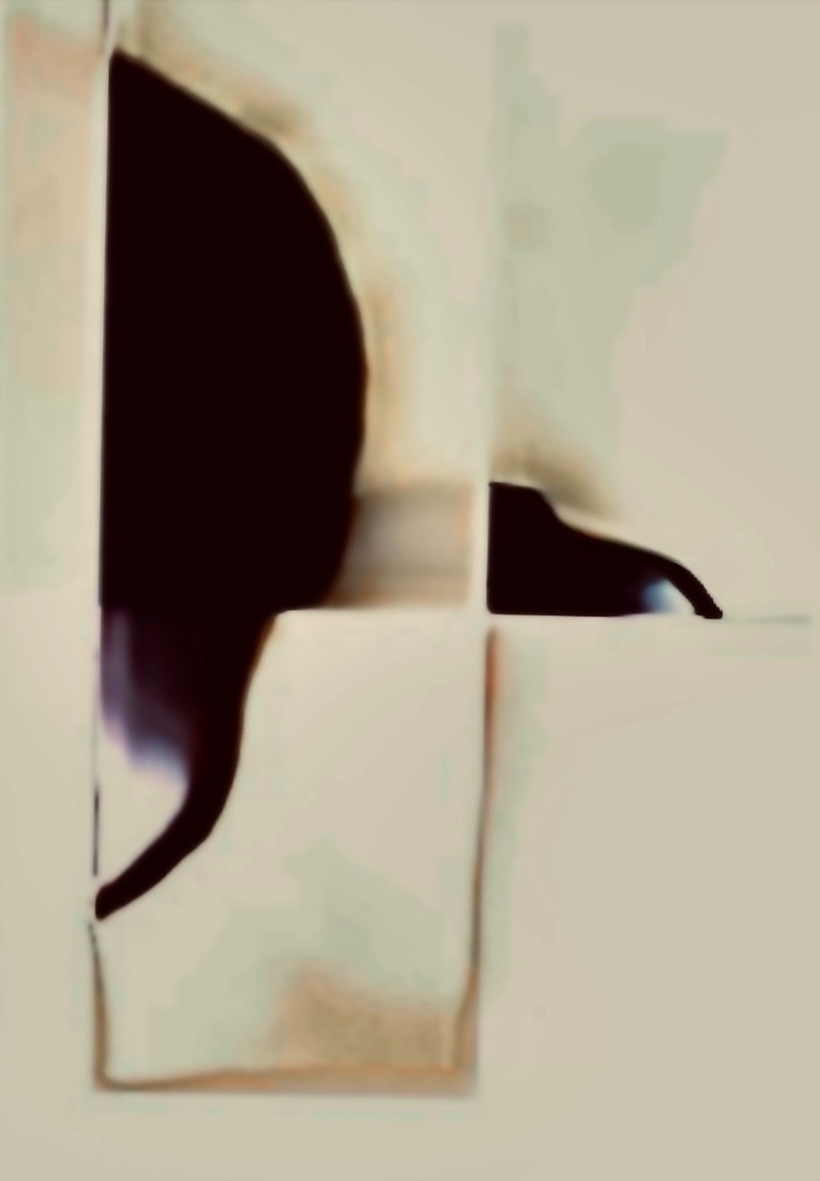
Deborah Parienti

The Intimate Stranger

1 March 2023
1 March 2023
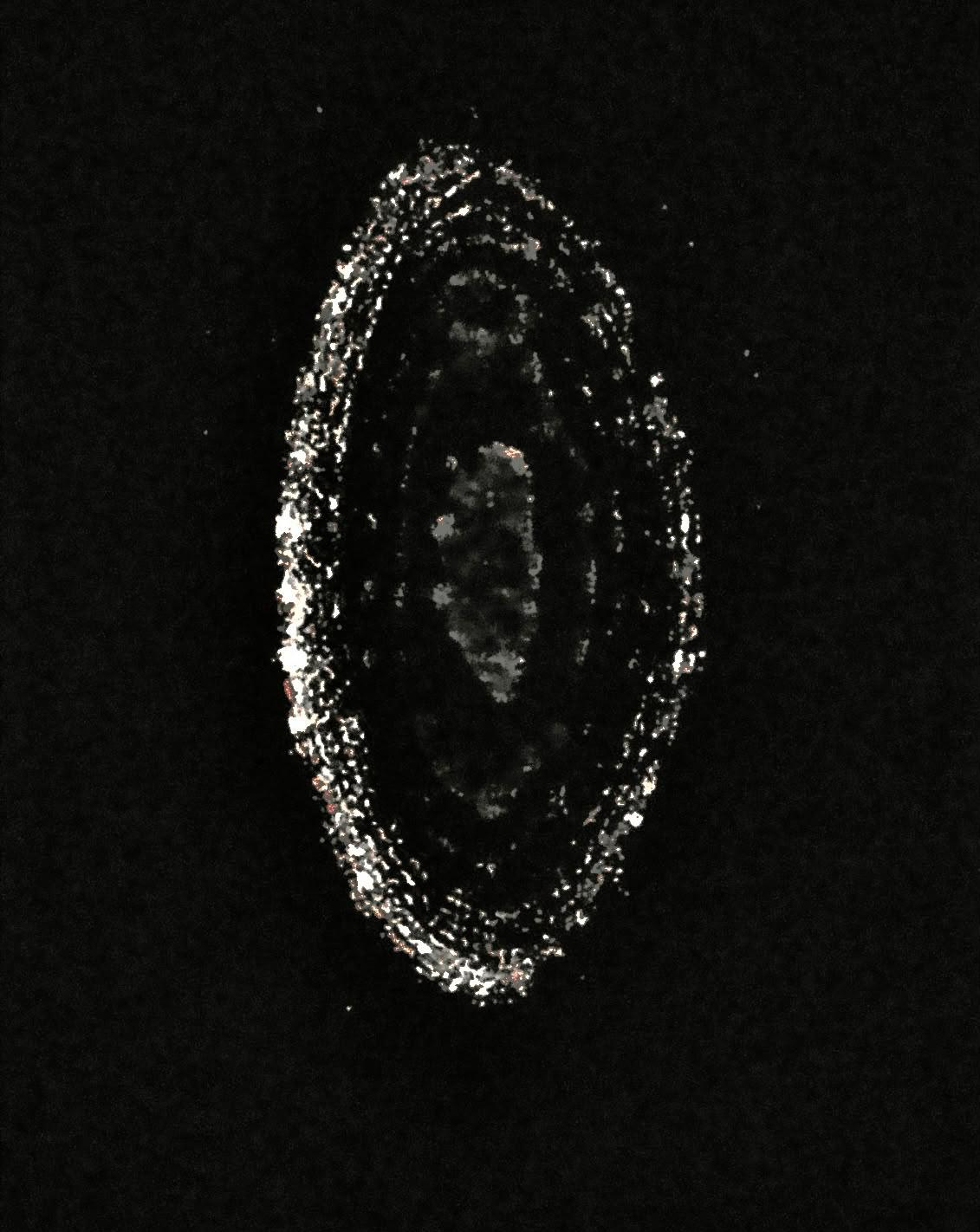
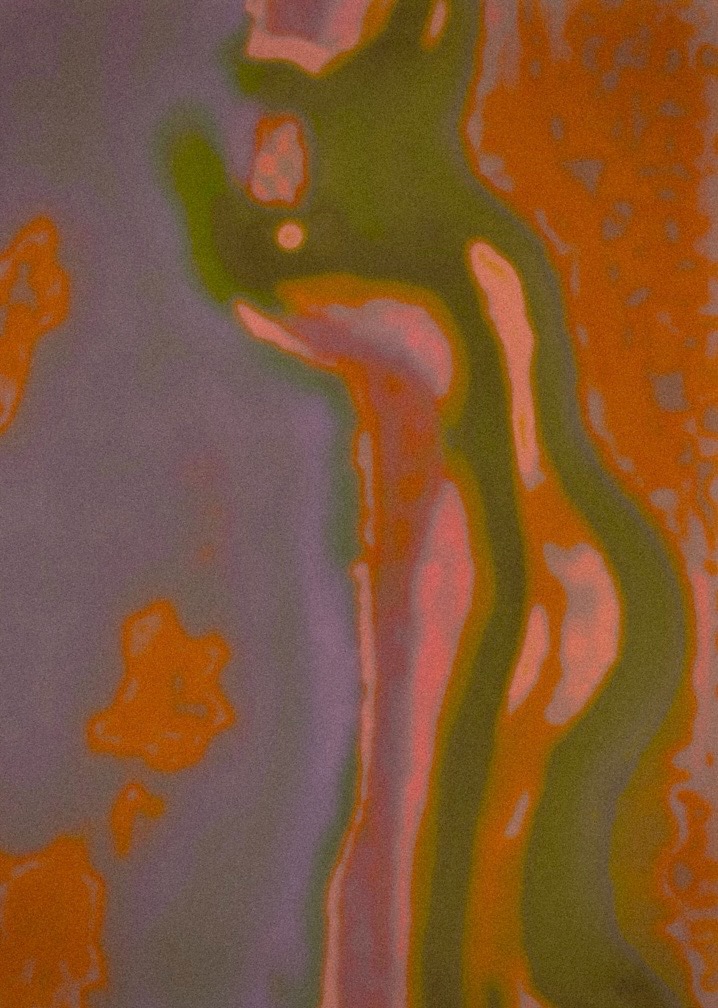
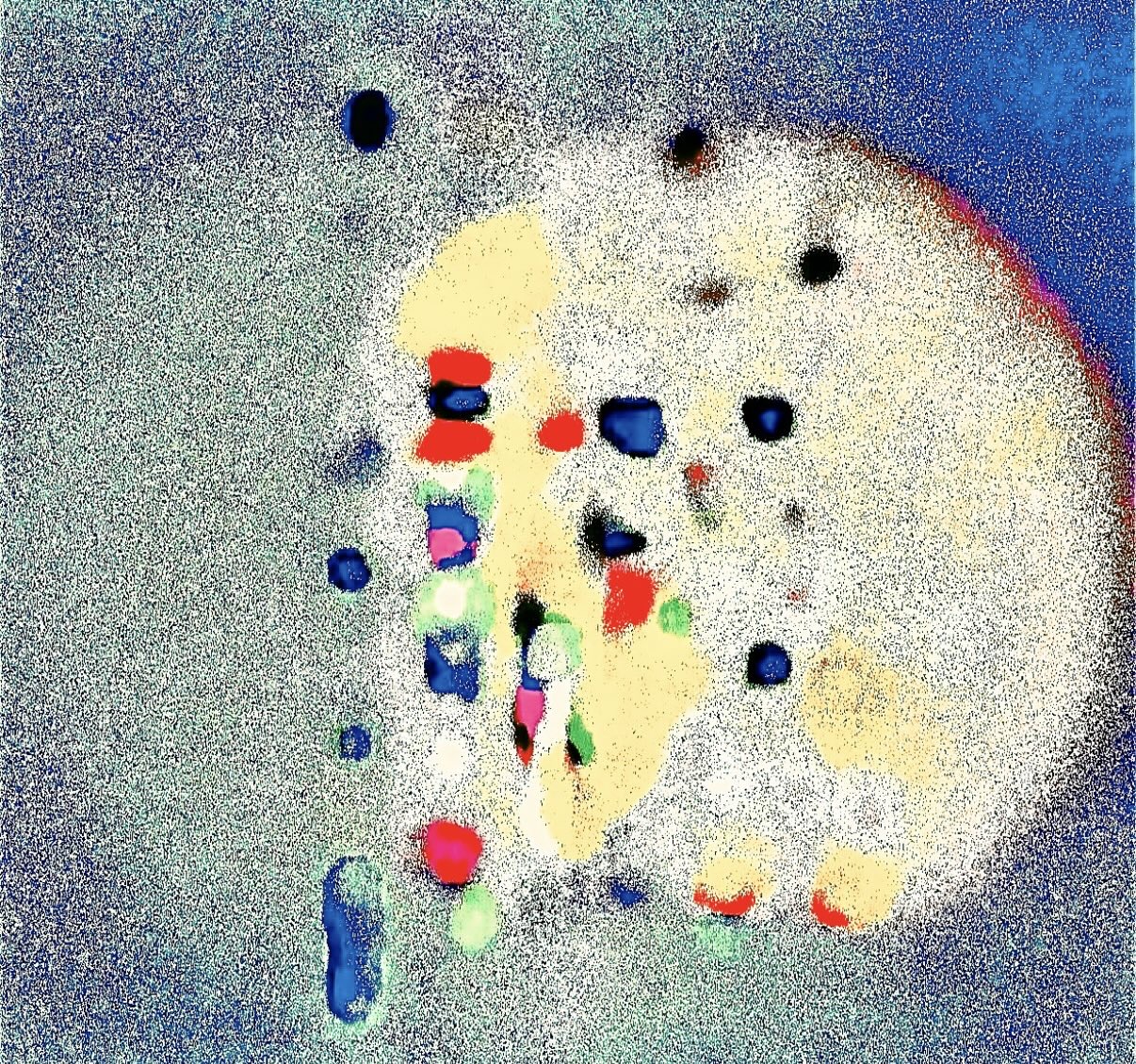
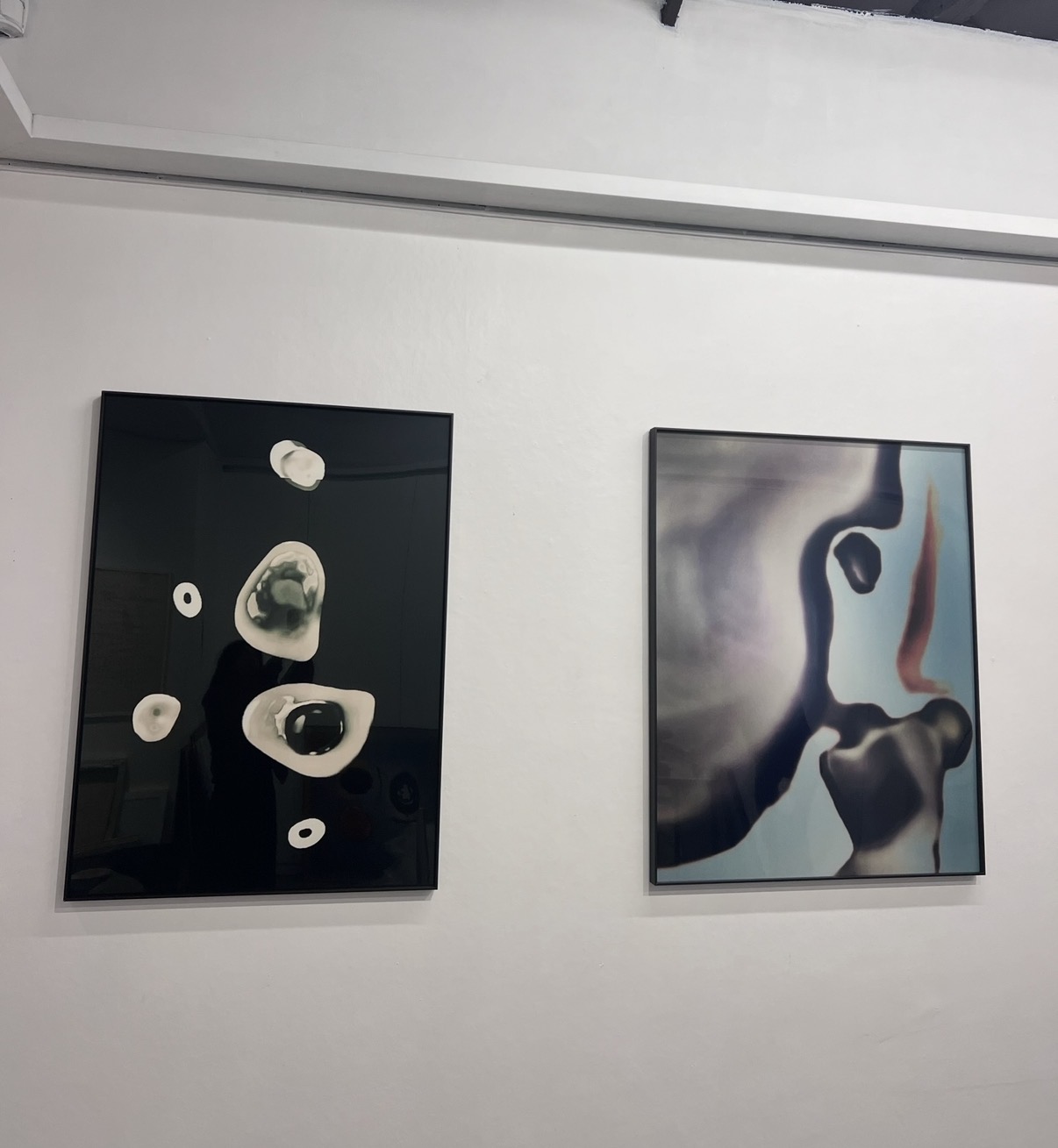
The Pleiades
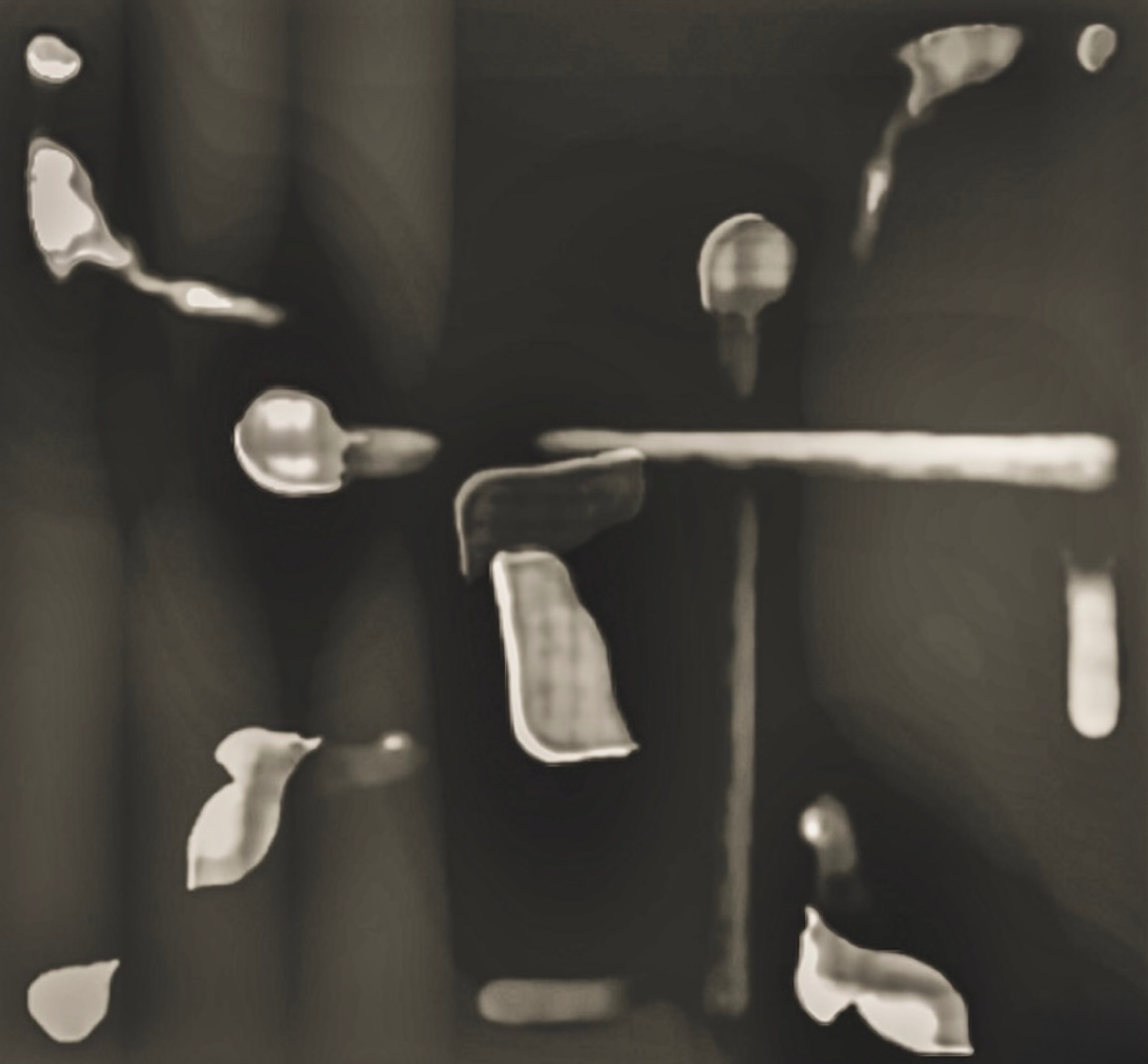
Light recorded on 1 March 2023, Paris. Archival pigment print on Fujiflex, 70 × 100 cm. Edition of 3 + 1 AP (2/3 available).
13 January 2025
13 January 2025
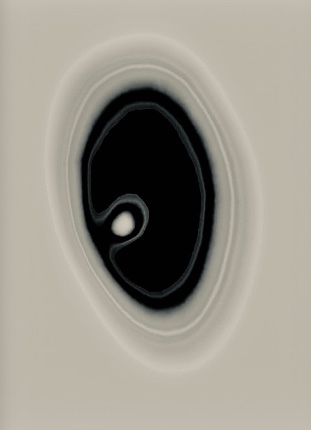
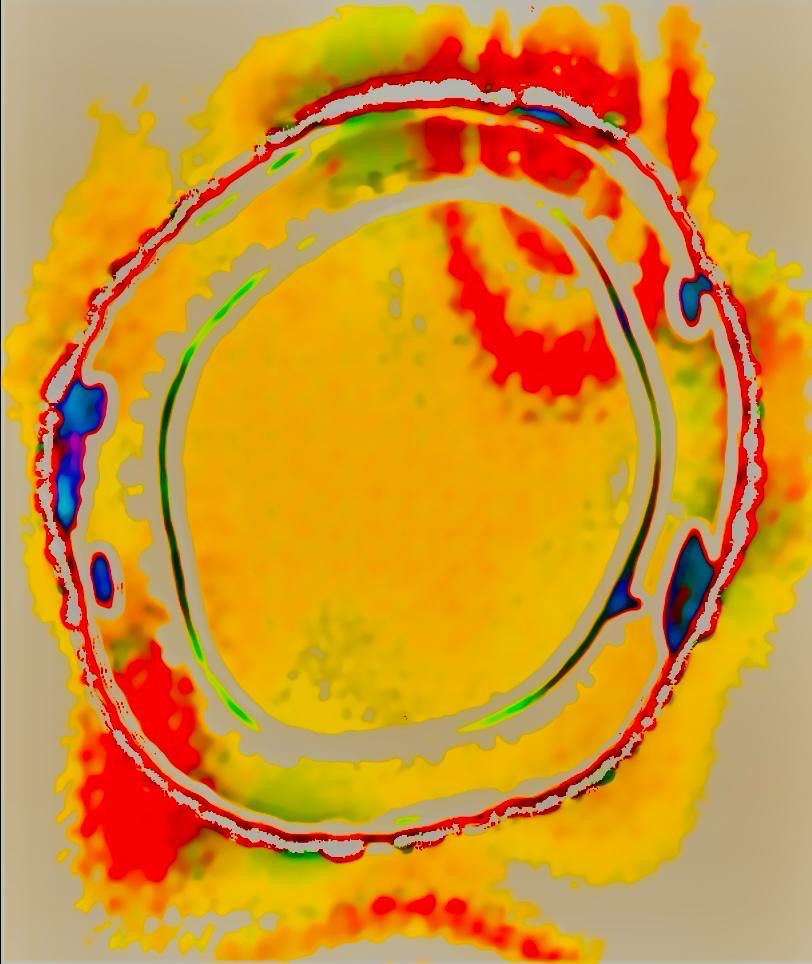
The Sun
Light recorded on 13 January 2025, Paris. Archival pigment print on Hahnemühle Museum Etching 350 gsm, 100 × 100 cm. Unique print (1/1).
17 September 2026
17 September 2026
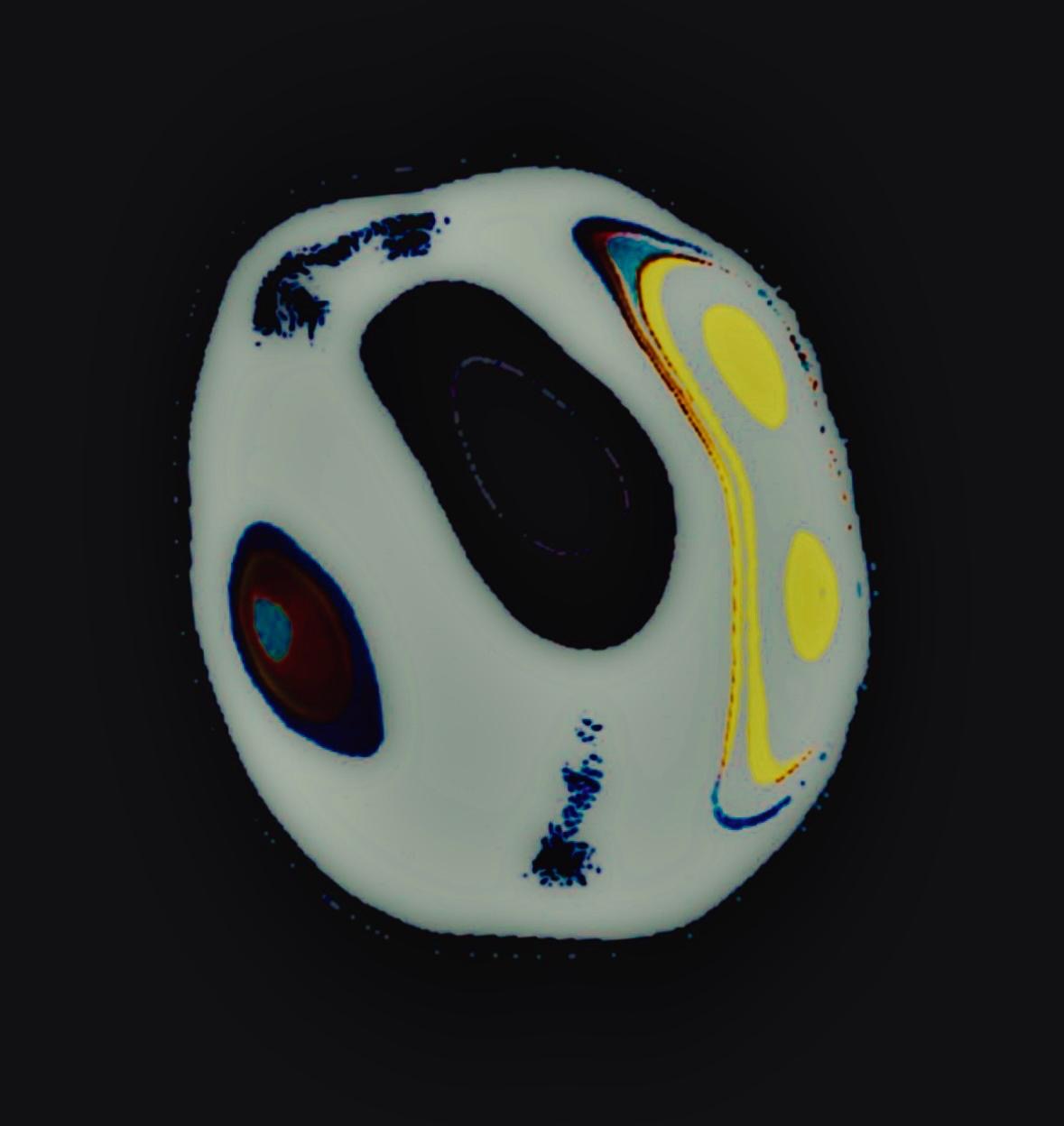
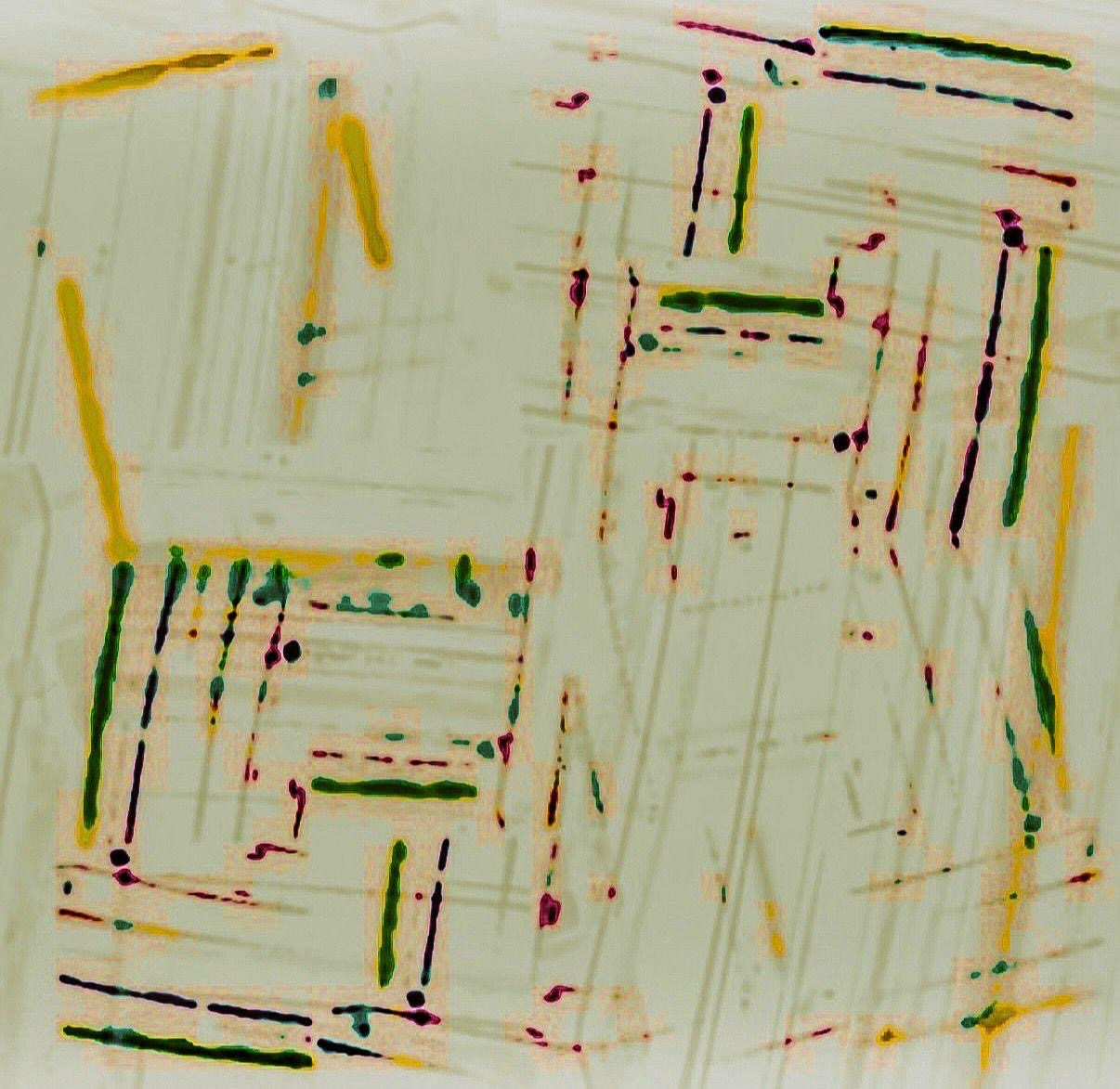
Lyra constellation
Light recorded on 17 September 2026, Paris. Archival pigment print on Hahnemühle Museum Etching 350 gsm, 90 × 120 cm. Unique print (1/1).
10 August 2025
10 August 2025
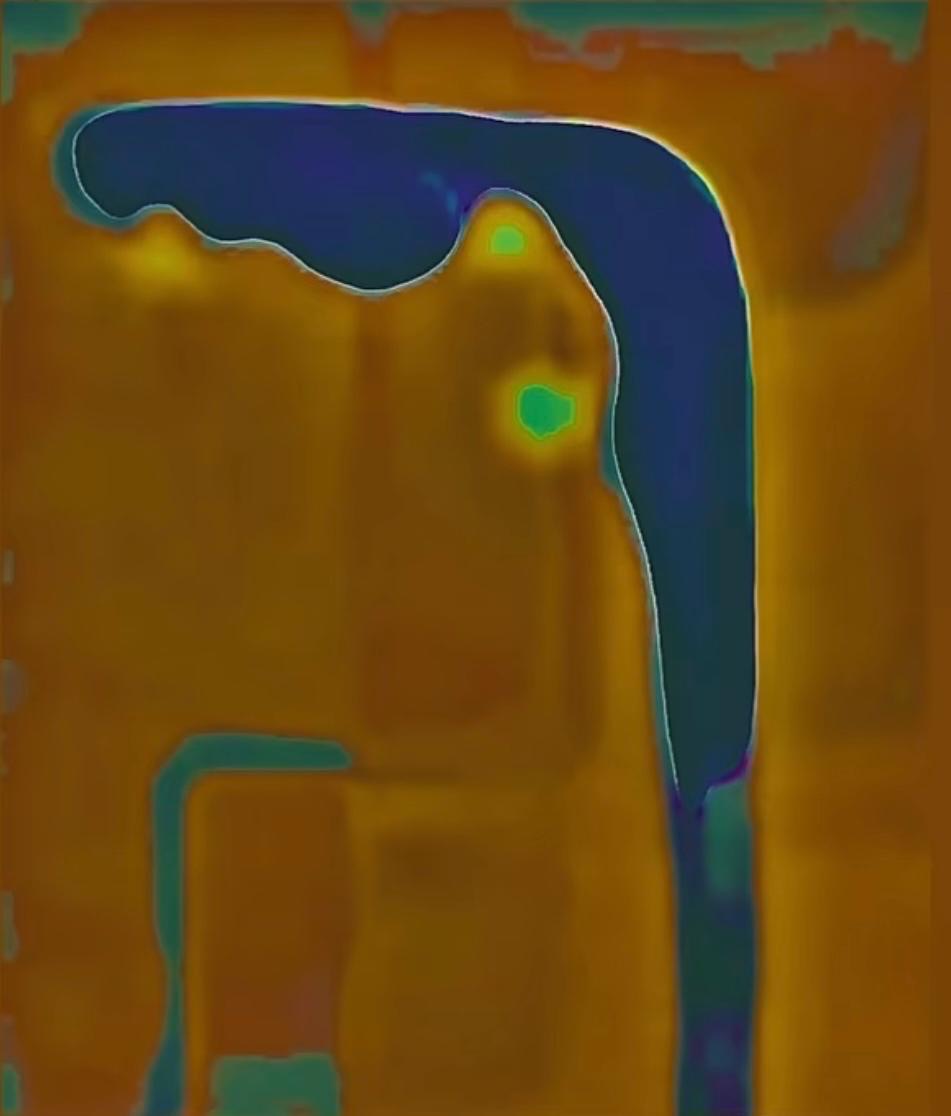
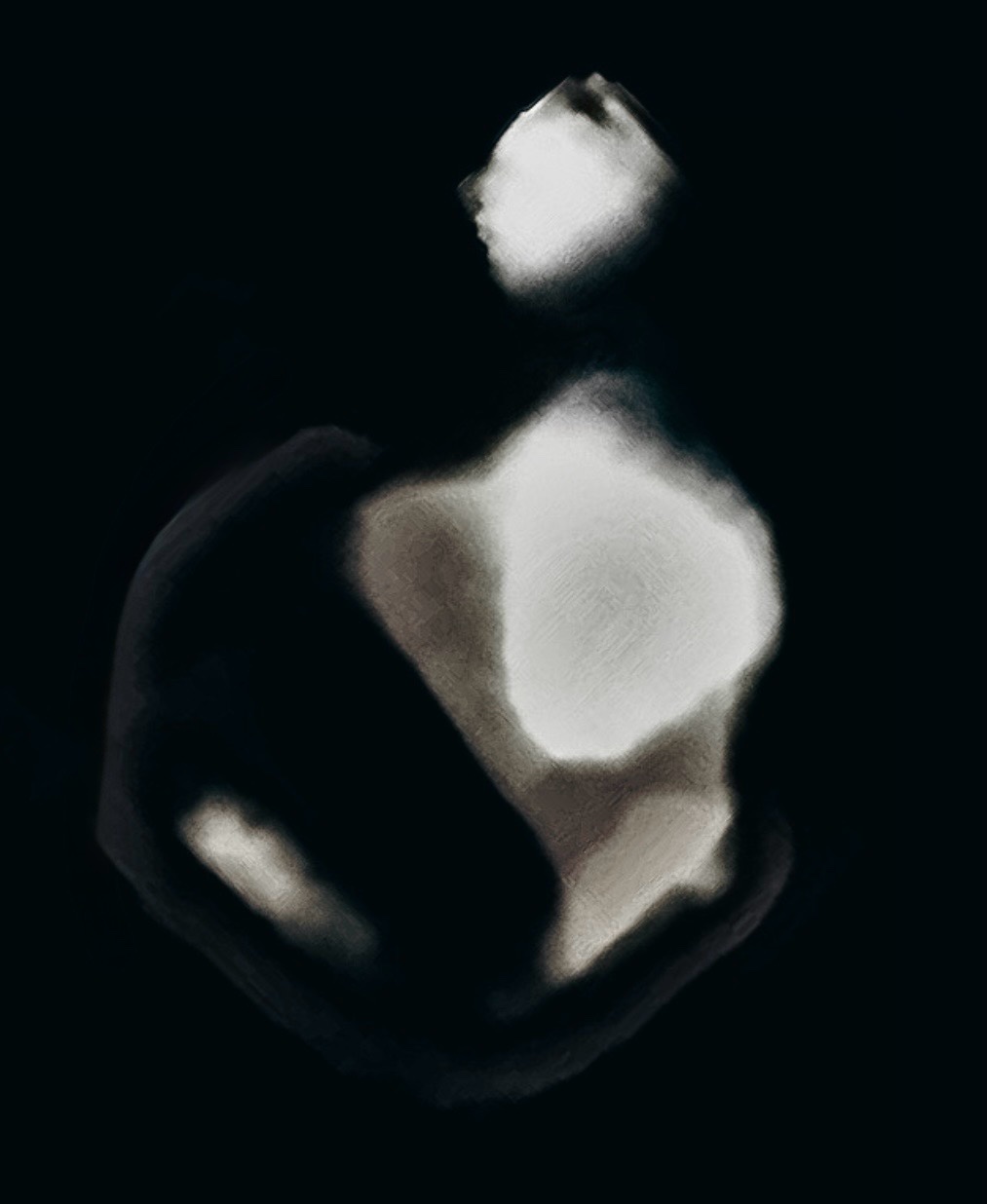
Coma Berenices
Light recorded on 10 August 2025, Paris. Archival pigment print on Fujiflex, 100 × 100 cm. Unique print (1/1).
19 January 2025
19 January 2025
The Moon
Light recorded on 19 January 2025, Paris. Archival pigment print on Hahnemühle Museum Etching 350 gsm, 120 × 100 cm. Unique print (1/1).
30 September 2025
30 September 2025
Saturn
Light recorded on 30 September 2025, Paris. Archival pigment print on Hahnemühle Museum Etching 350 gsm, 120 × 100 cm. Unique print (1/1).
5 June 2025
5 June 2025
Lupus constellation
Light recorded on 5 June 2025, Paris. Archival pigment print on Fujiflex, 100 × 100 cm. Unique print (1/1).
1 March 2026
1 March 2026
Jupiter
Light recorded on 1 March 2026, Paris. Archival pigment print on Hahnemühle Museum Etching 350 gsm, 100 × 100 cm. Unique print (1/1).
13 June 2025
13 June 2025
Boötes constellation
Light recorded on 13 June 2025, Paris. Archival pigment print on Hahnemühle Museum Etching 350 gsm, 90 × 120 cm. Unique print (1/1).
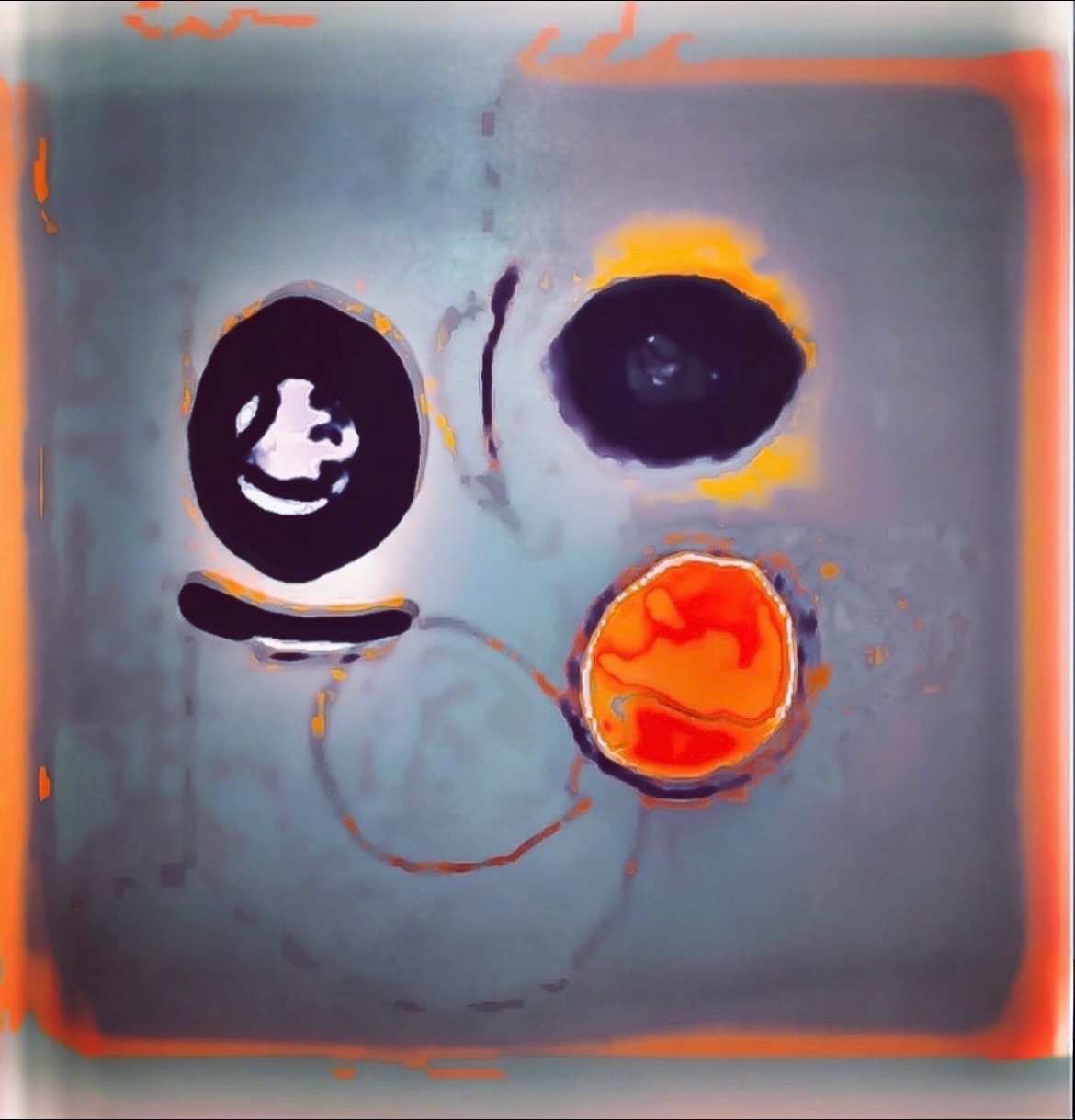
7 December 2021
7 December 2021
Mars
Light recorded on 7 December 2021, Paris. Archival pigment print on Hahnemühle Museum Etching 350 gsm, 100 × 100 cm. Unique print (1/1).
6 July 2026
6 July 2026
Venus
Light recorded on 6 July 2026, Paris. Archival pigment print on Fujiflex, 90 × 120 cm. Unique print (1/1).
30 May 2026
30 May 2026
The Moon
Light recorded on 30 May 2026, Paris. Archival pigment print on Fujiflex, 100 × 100 cm. Unique print (1/1).
3 September 2025
3 September 2025
Saturn
Light recorded on 3 September 2025, Paris. Archival pigment print on Fujiflex, 100 × 100 cm. Unique print (1/1).
22 July 2026
22 July 2026
Arcturus
Light recorded on 22 July 2026, Paris. Archival pigment print on Hahnemühle Museum Etching 350 gsm, 100 × 100 cm. Unique print (1/1).
24 June 2026
24 June 2026
Venus, with other stars and shadow
Light recorded on 24 June 2026, Paris. Archival pigment print on Hahnemühle Museum Etching 350 gsm, 100 × 100 cm. Unique print (1/1).
26 May 2026 — ISS
26 May 2026 — ISS
ISS
Light recorded on 26 May 2026, Paris. Archival pigment print on Fujiflex, 90 × 120 cm. Unique print (1/1).
19 September 2026
19 September 2026
Vega
Light recorded on 19 September 2026, Paris. Archival pigment print on Hahnemühle Museum Etching 350 gsm, 100 × 120 cm. Unique print (1/1).
1 August 2026
1 August 2026
ISS
Light recorded on 1 August 2026, Paris. Archival pigment print on Hahnemühle Museum Etching 350 gsm, 90 × 120 cm. Unique print (1/1).
5 August 2023
5 August 2023
ISS
Light recorded on 5 August 2023, Paris. Archival pigment print on Fujiflex, 60 × 100 cm. Unique print (1/1).
23 March 2025
23 March 2025
M67, part of the King Cobra cluster
Light recorded on 23 March 2025, Paris. Archival pigment print on Fujiflex, 90 × 120 cm. Unique print (1/1).
19 November 2025
19 November 2025
Cassiopeia
Light recorded on 19 November 2025, Paris. Archival pigment print on Hahnemühle Museum Etching 350 gsm, 80 × 120 cm. Unique print (1/1).
18 January 2025
18 January 2025
Cassiopeia
Light recorded on 18 January 2025, Paris. Archival pigment print on Hahnemühle Museum Etching 350 gsm, 90 × 120 cm. Unique print (1/1).
20 July 2026
20 July 2026
Arcturus
Light recorded on 20 July 2026, Paris. Archival pigment print on Hahnemühle Museum Etching 350 gsm, 90 × 120 cm. Unique print (1/1).
29 May 2026
29 May 2026
Saturn
Light recorded on 29 May 2026, France. Archival pigment print on Fujiflex, 90 × 120 cm. Unique print (1/1).
Pictorial Stages

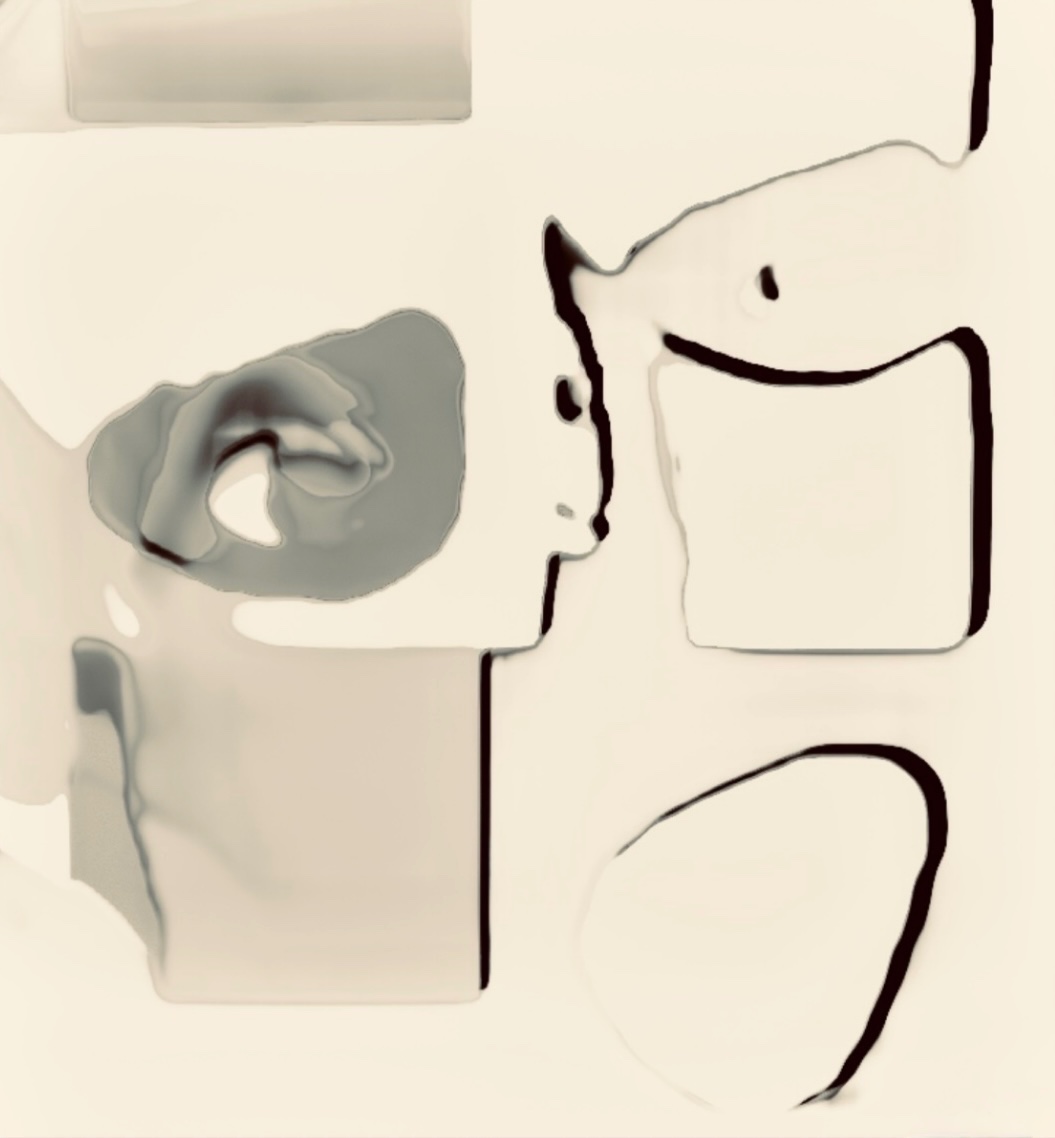
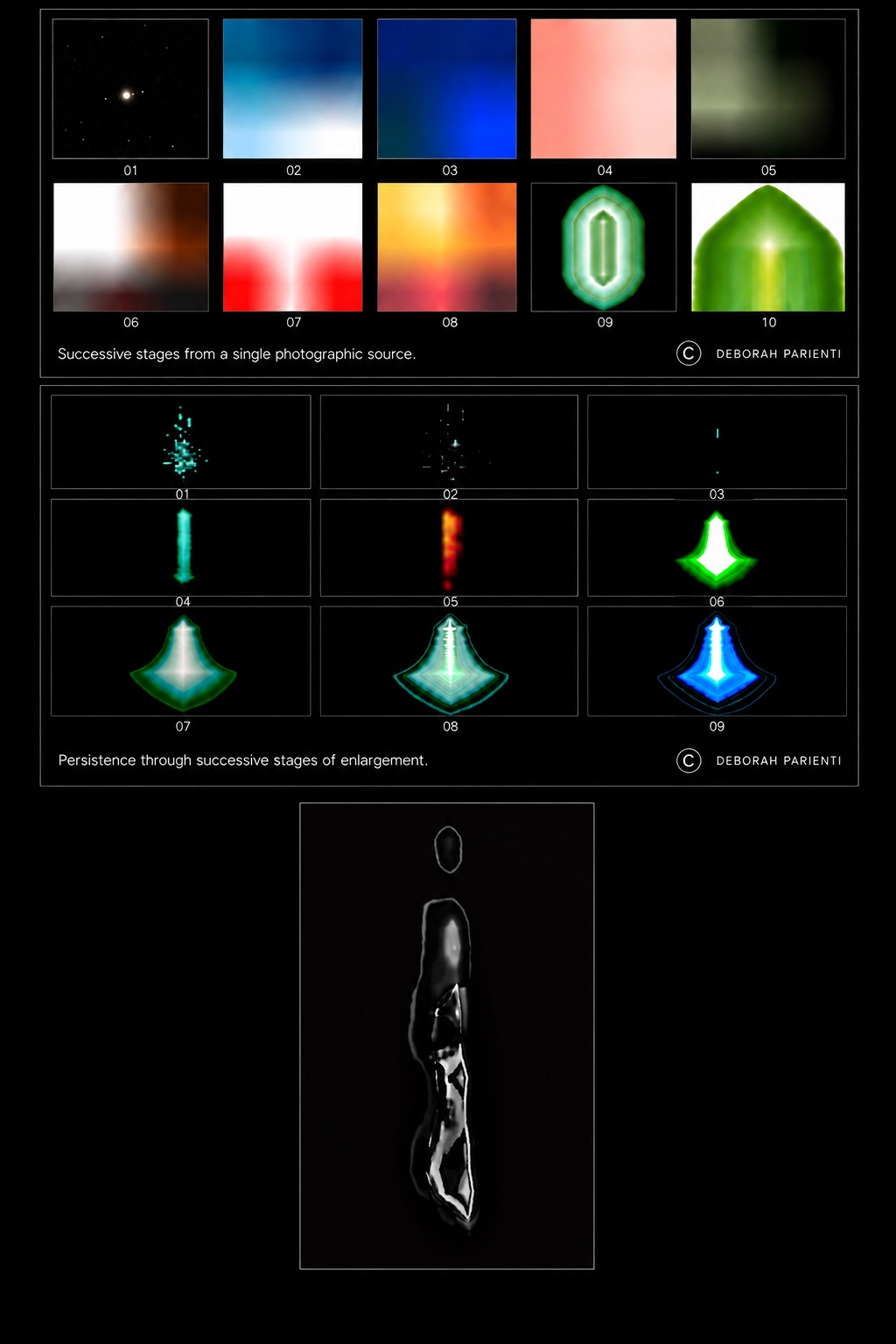
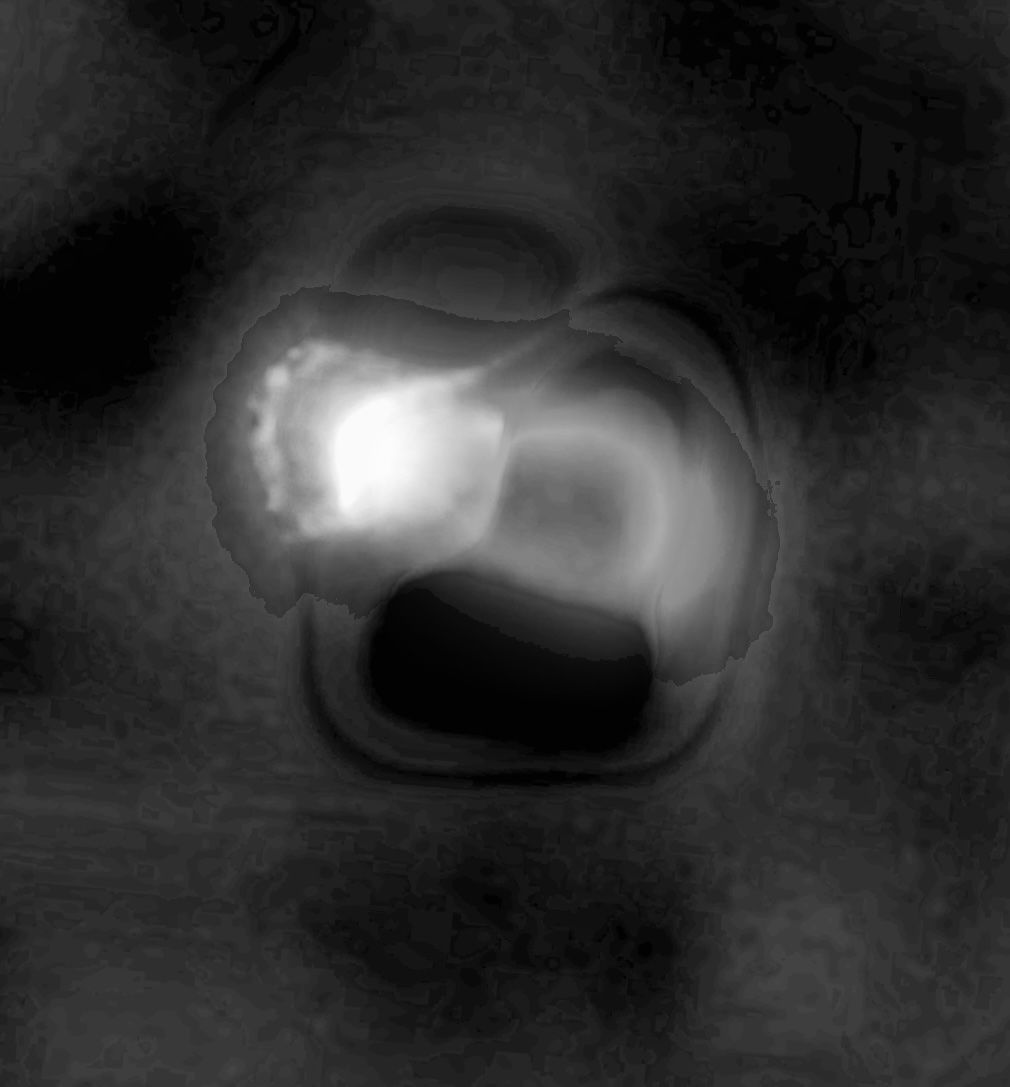
Process studies: the stages between the recorded image and the finished work. Fragments isolated, enlarged, sometimes abandoned, where scale starts to give way and the recorded light begins to look like something else.

Pictorial Stages Pictorial Stages Pictorial Stages Pictorial Stages Pictorial Stages Pictorial Stages Pictorial Stages Pictorial Stages Pictorial Stages Pictorial Stages Pictorial Stages Pictorial Stages Pictorial Stages Pictorial Stages Pictorial Stages Pictorial Stages
First Experiments

Works from my early years of practice, when I was learning the night sky without a manual and chasing images as close to the truth as I could get. Some are finished works, others are steps; together they are where the gesture and the intention took shape.

First Experiments First Experiments First Experiments First Experiments First Experiments First Experiments First Experiments First Experiments First Experiments First Experiments First Experiments First Experiments First Experiments First Experiments First Experiments
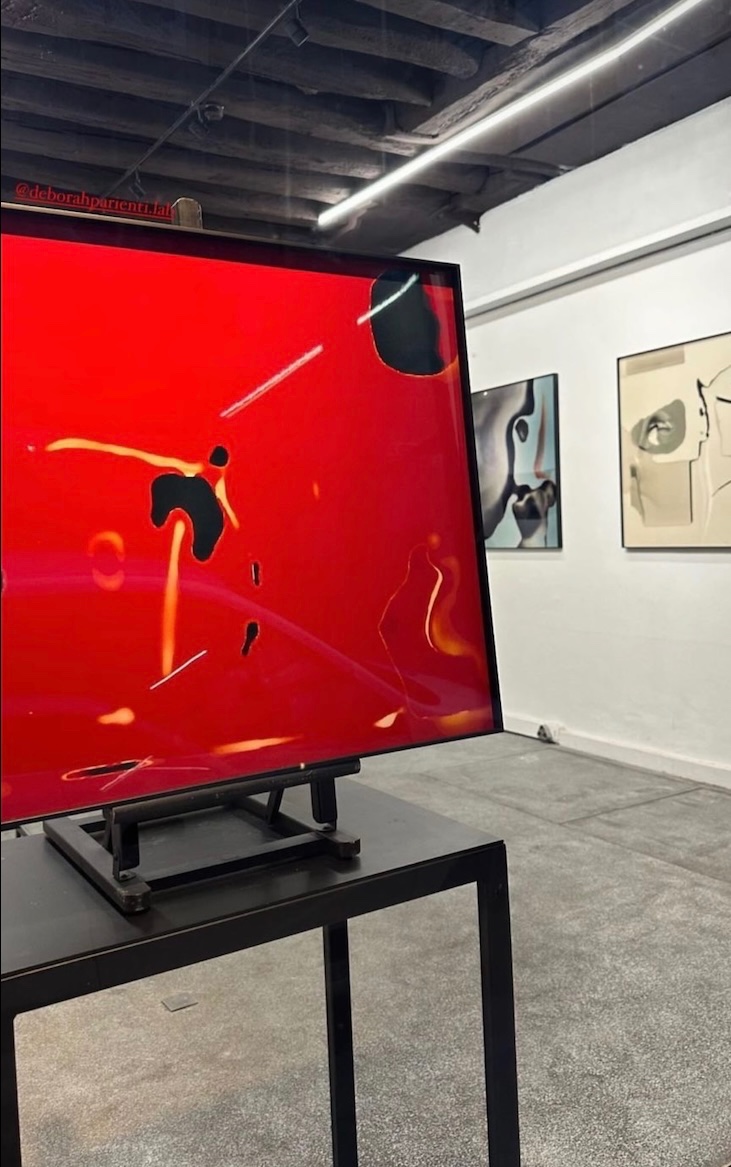
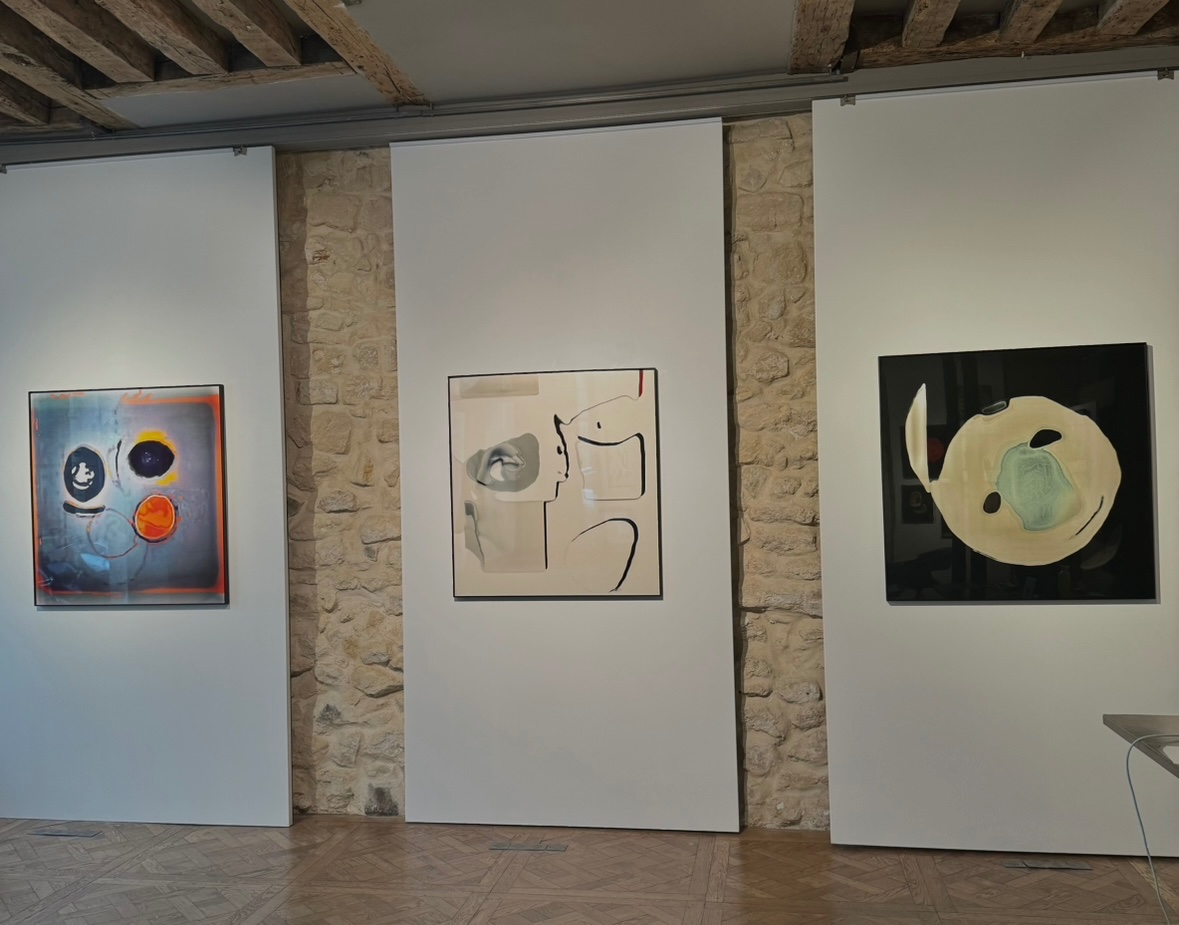
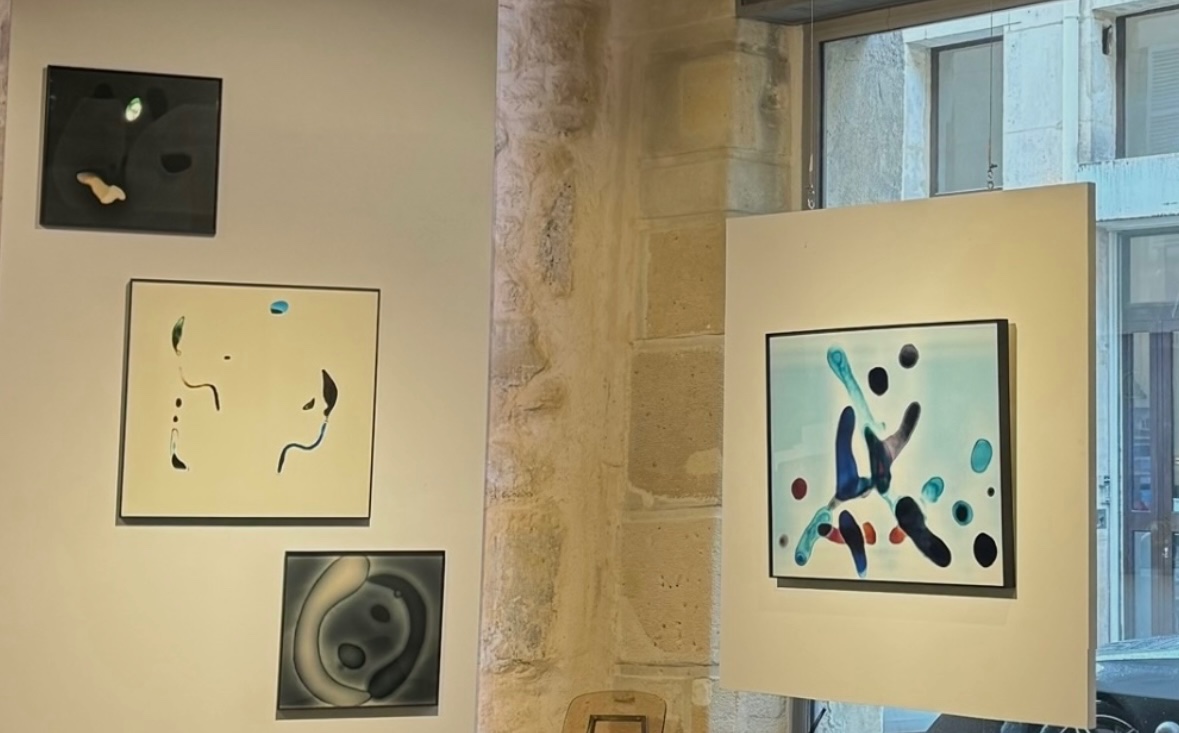
Past shows — installation view Past shows — installation view Past shows — installation view Past shows — installation view Past shows — installation view Past shows — installation view
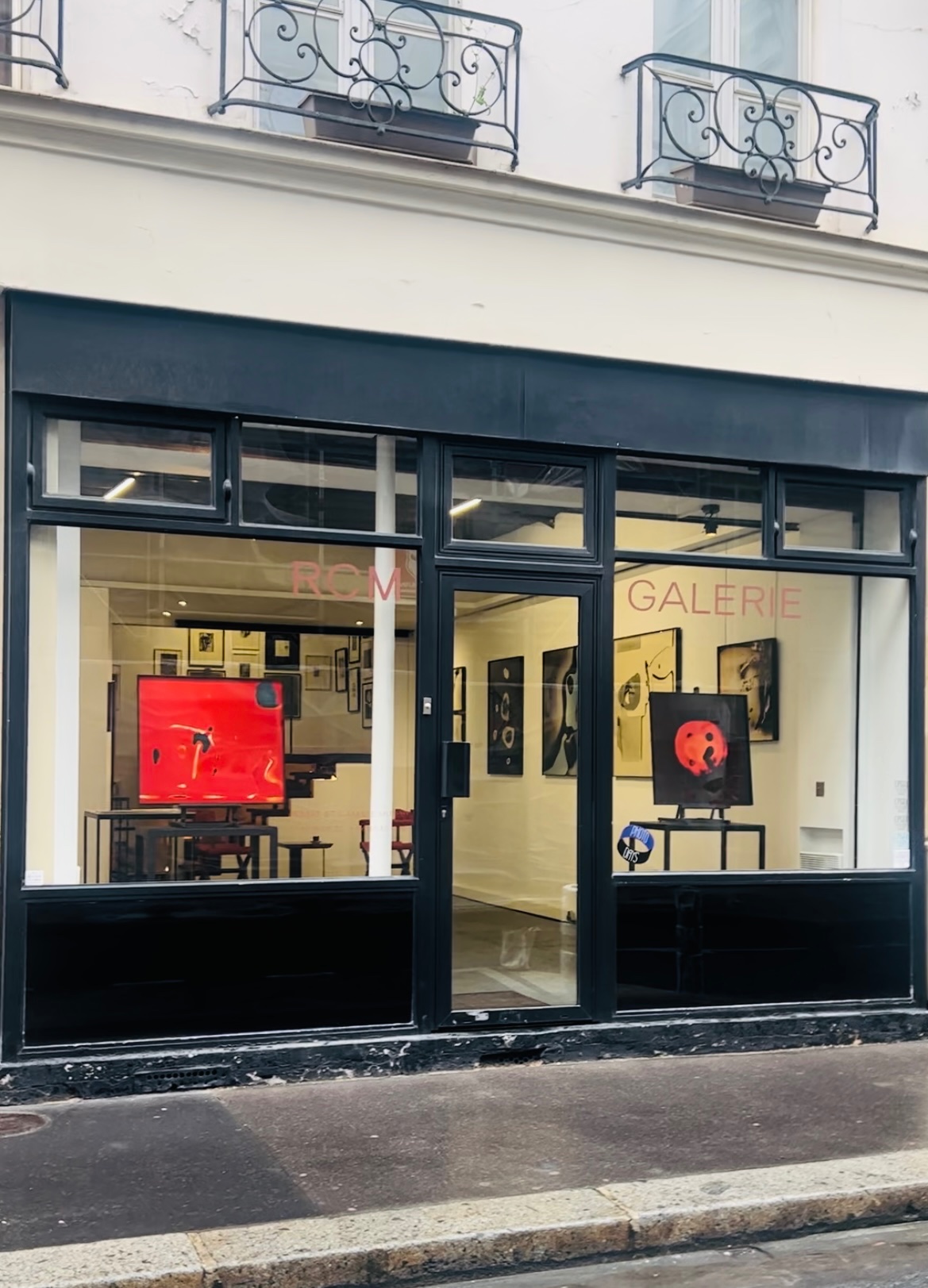
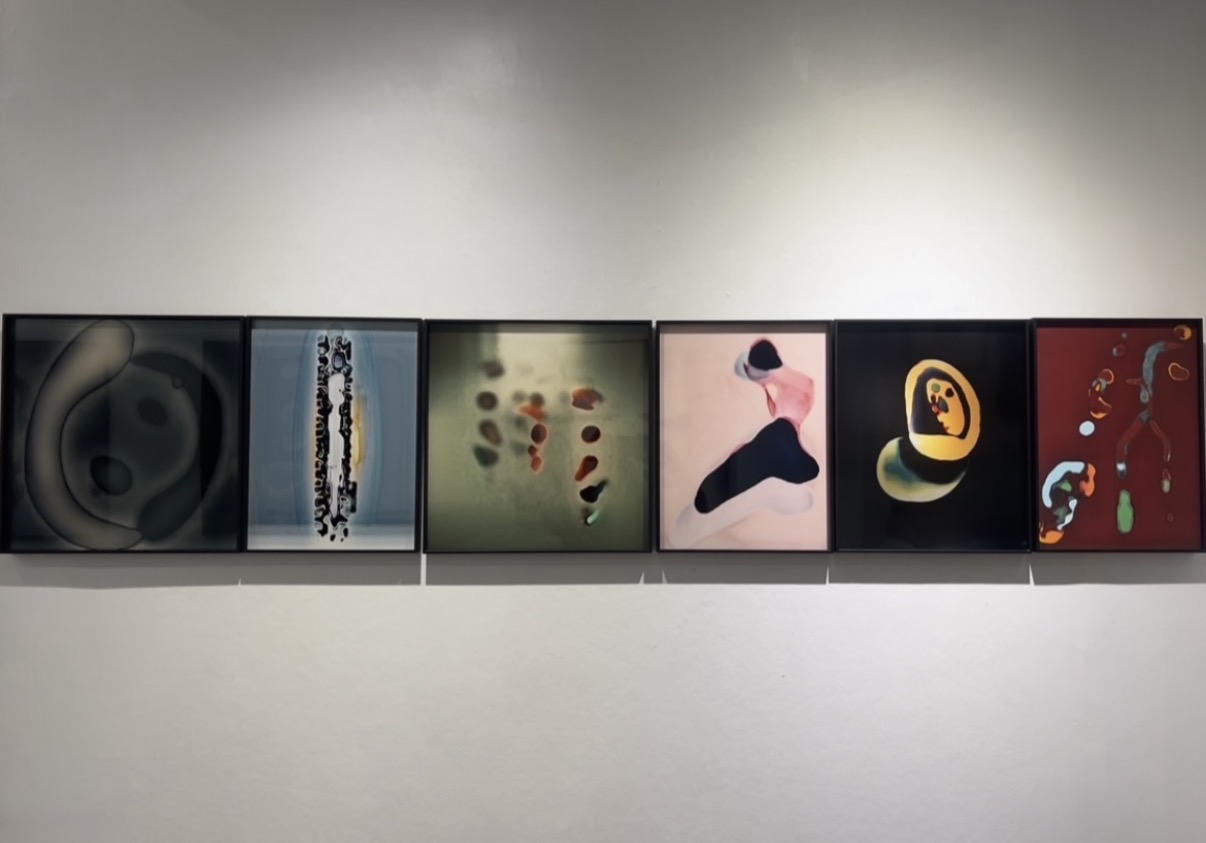
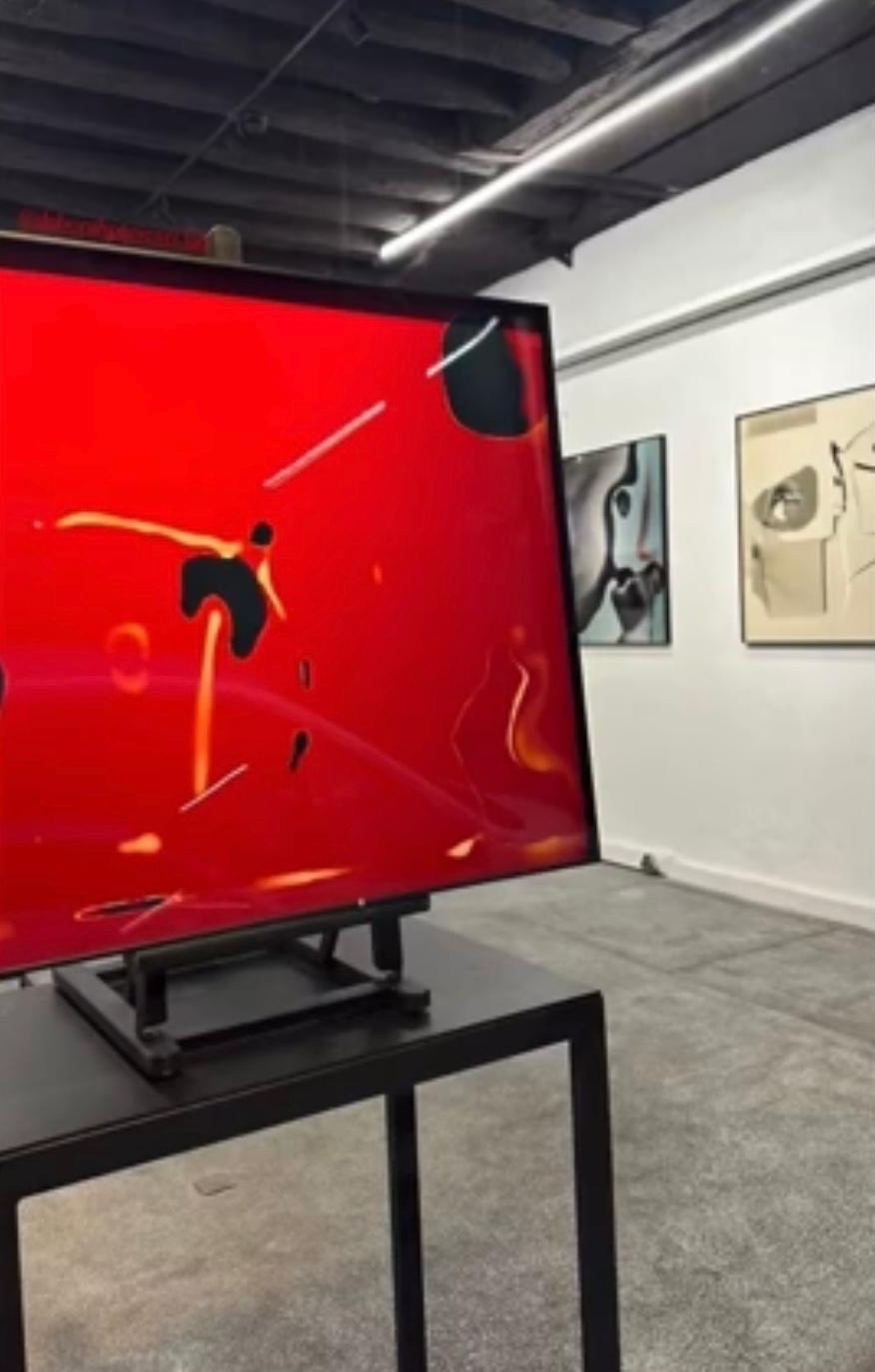
Selected installation views: Étoiles intérieures, RCM Galerie, Paris, 2023. Ode aux étoiles, Galerie Salon H, Paris, 2024.

Notebook I

How much can an image contain beyond what we are able to see?

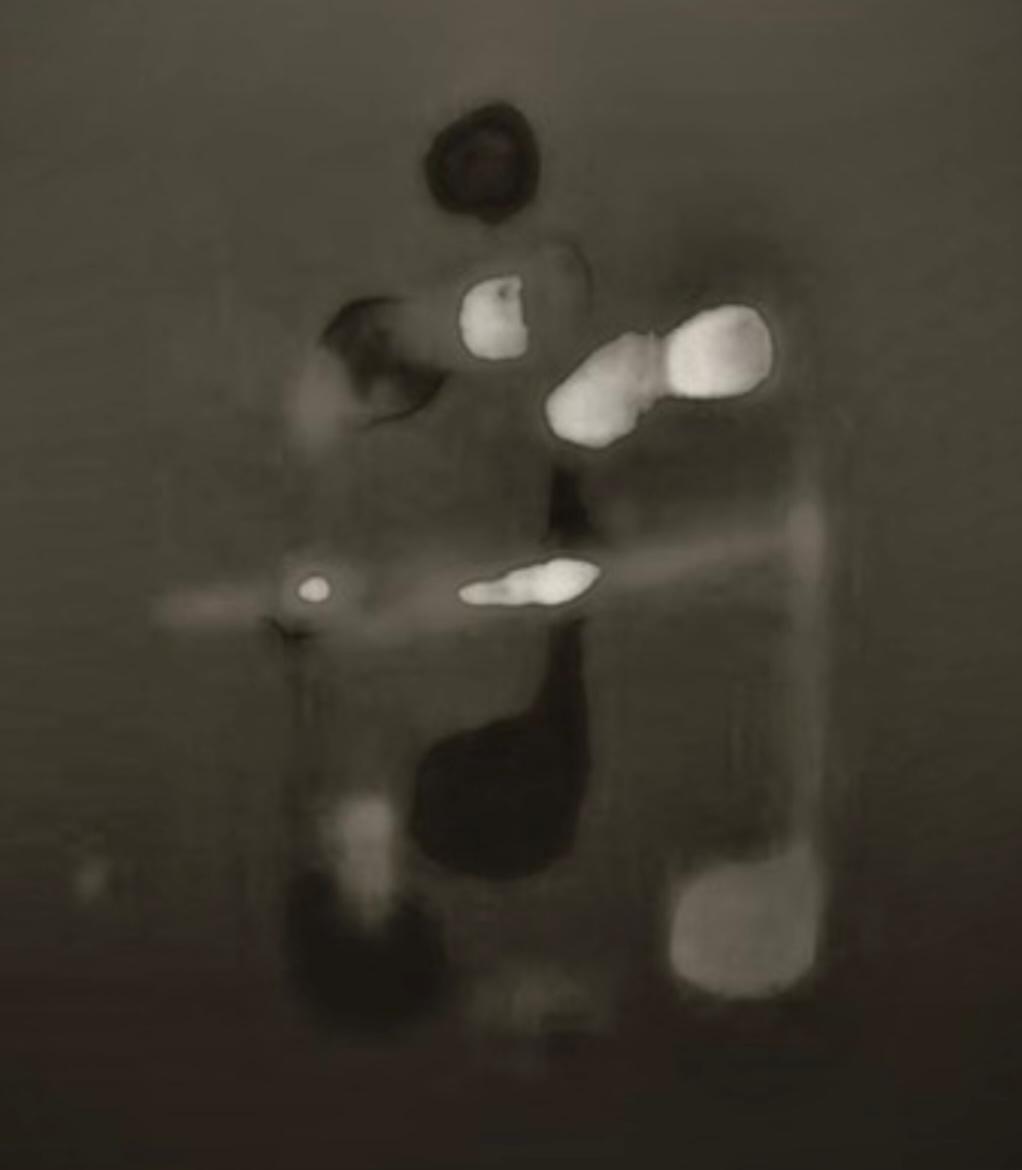
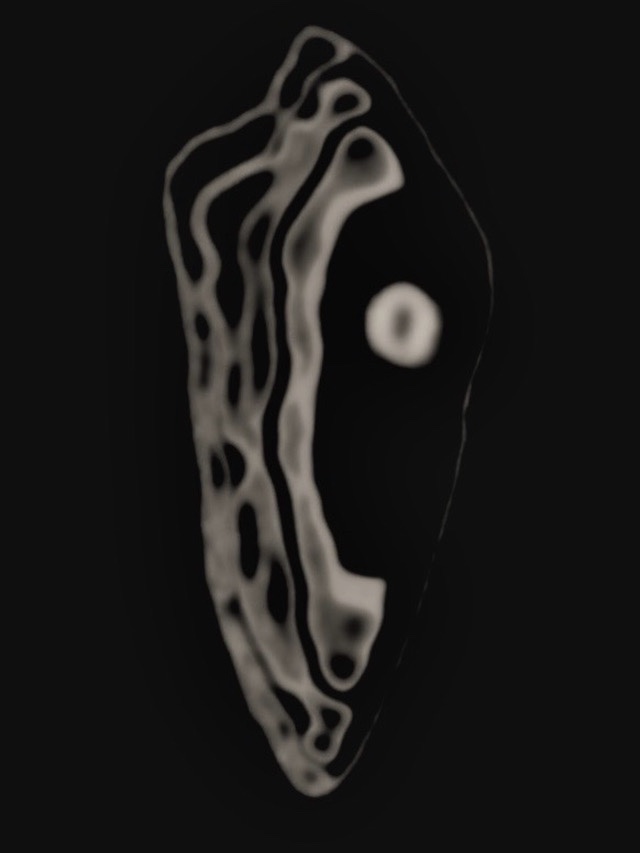
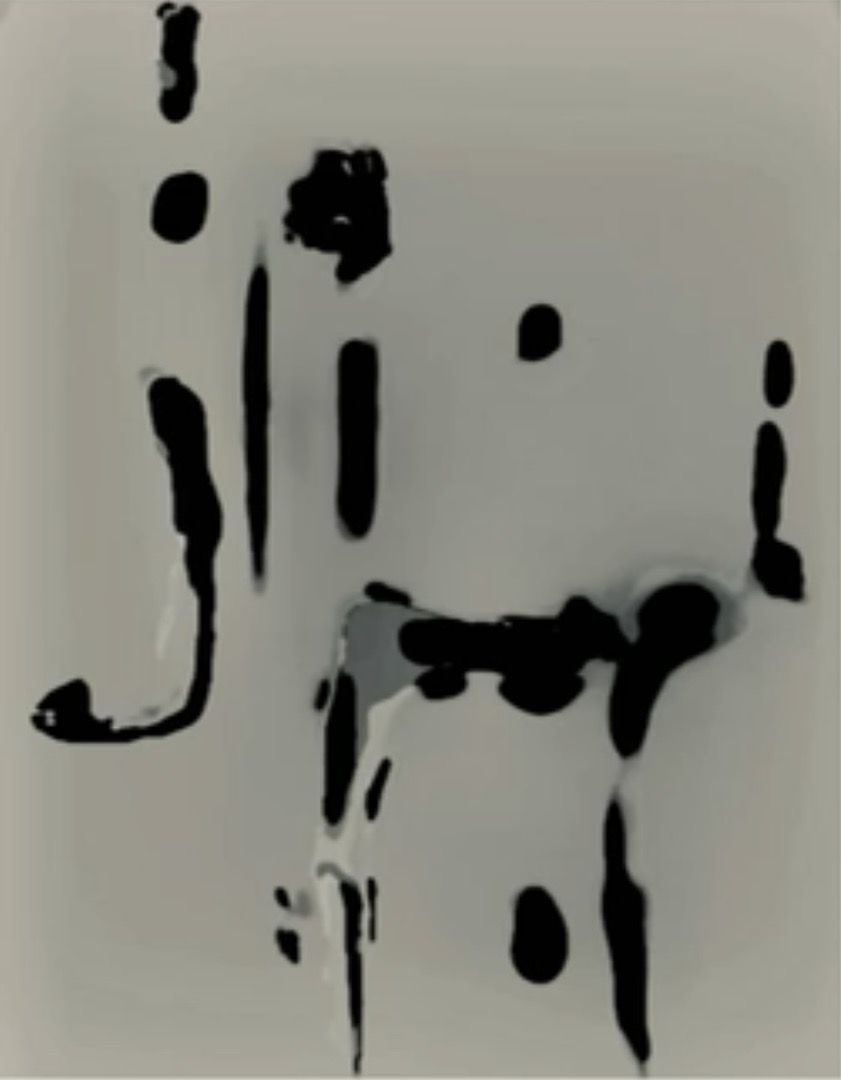
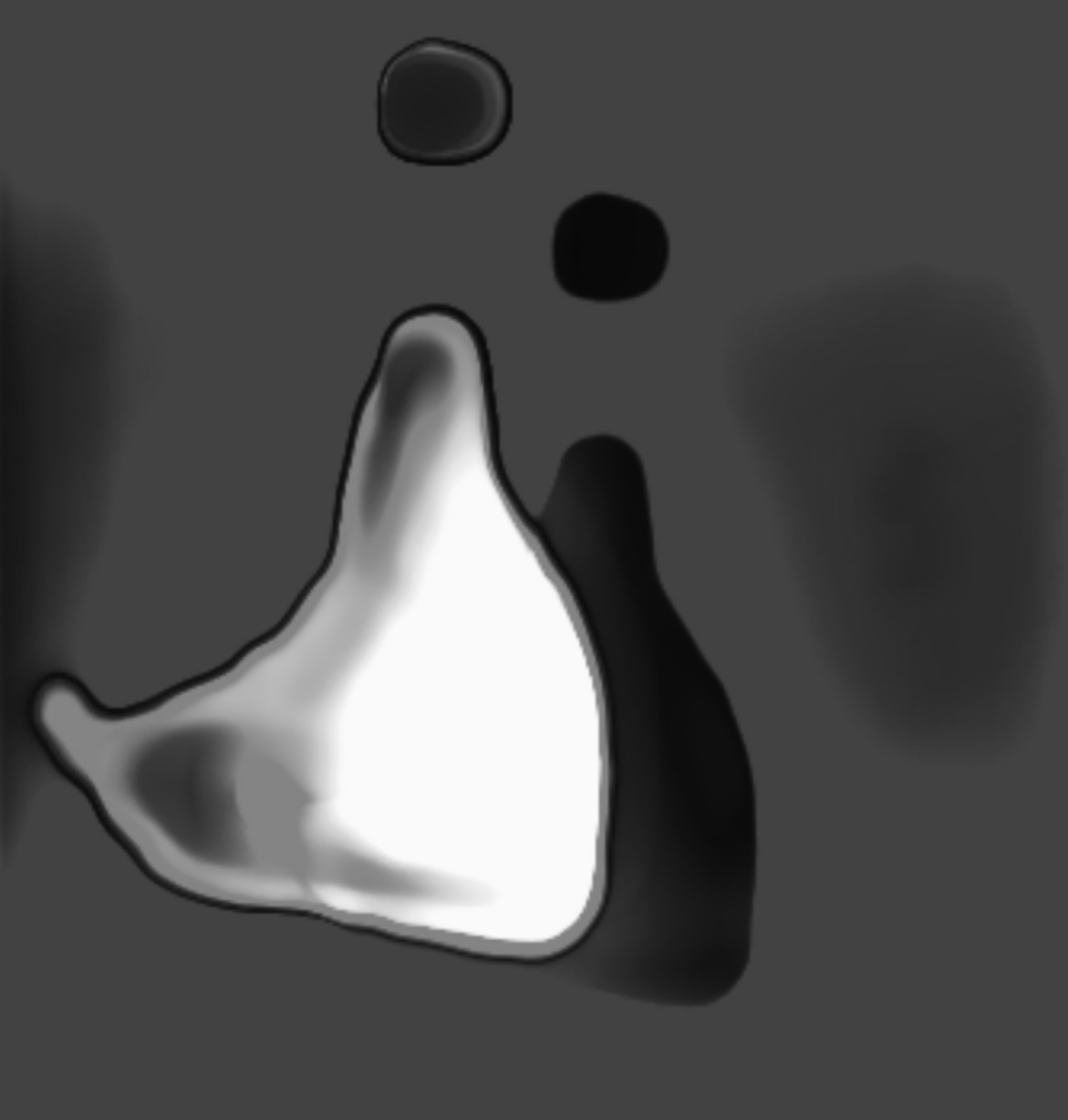
What is recorded and what we are able to see are not necessarily the same thing. For the sequence below, I chose a single point in the original photograph before knowing what it would reveal. Each successive image came from within the one before it. I simply followed what appeared. Successive stages from a single photographic source. The initial point was selected before the outcome was known. As I moved further into the image, scale became increasingly uncertain. Some elements disappeared as the light changed. Others persisted, becoming smaller, separating or changing in appearance. This led me to a question I am still investigating: At what point am I revealing information already present in the recording, and when do I begin to encounter the structure of the image itself? How far an image can be followed?

Then I keep going, beyond easy beauty, looking for the kind that moves us before we know why.

Notebook I

Notebook II

From Observation to Imagination

A research note on the movement between observation and imagination. The longer I remain with an image, the more looking, transforming and imagining become inseparable. What begins with the observation of the sky can move far beyond its visible appearance.

The sky has long had to be translated: through instruments, surfaces, hands, and imagination.

Looking does not merely record the world. The longer it continues, the more observation and imagination begin to shape one another.

Light recorded on 2 February 2025
Drawing
Deborah Parienti2025, EOS Canon, Unistellar Telescope.

Notebook III

Colours we have no name for.

When I began observing the sky, what struck me first was colour. Every shade we know how to name is there, and others we don’t.

I do not invent these colours and I do not add them. They are in the recorded light, they are what makes the forms, and even the textures.

Danseuse étoile, recorded on 19 August 2022, was printed on Fujiflex, a silver-based photographic paper, at Laboratoire Janvier, Paris.

When it came out, the printer told me that red was unique.

Notebook III Danseuse étoile Notebook III Notebook III Notebook III Notebook III

Notebook IV

Drawings & Paintings

Drawings & Paintings Drawings & Paintings Drawings & Paintings Drawings & Paintings Drawings & Paintings

Points of Resonance

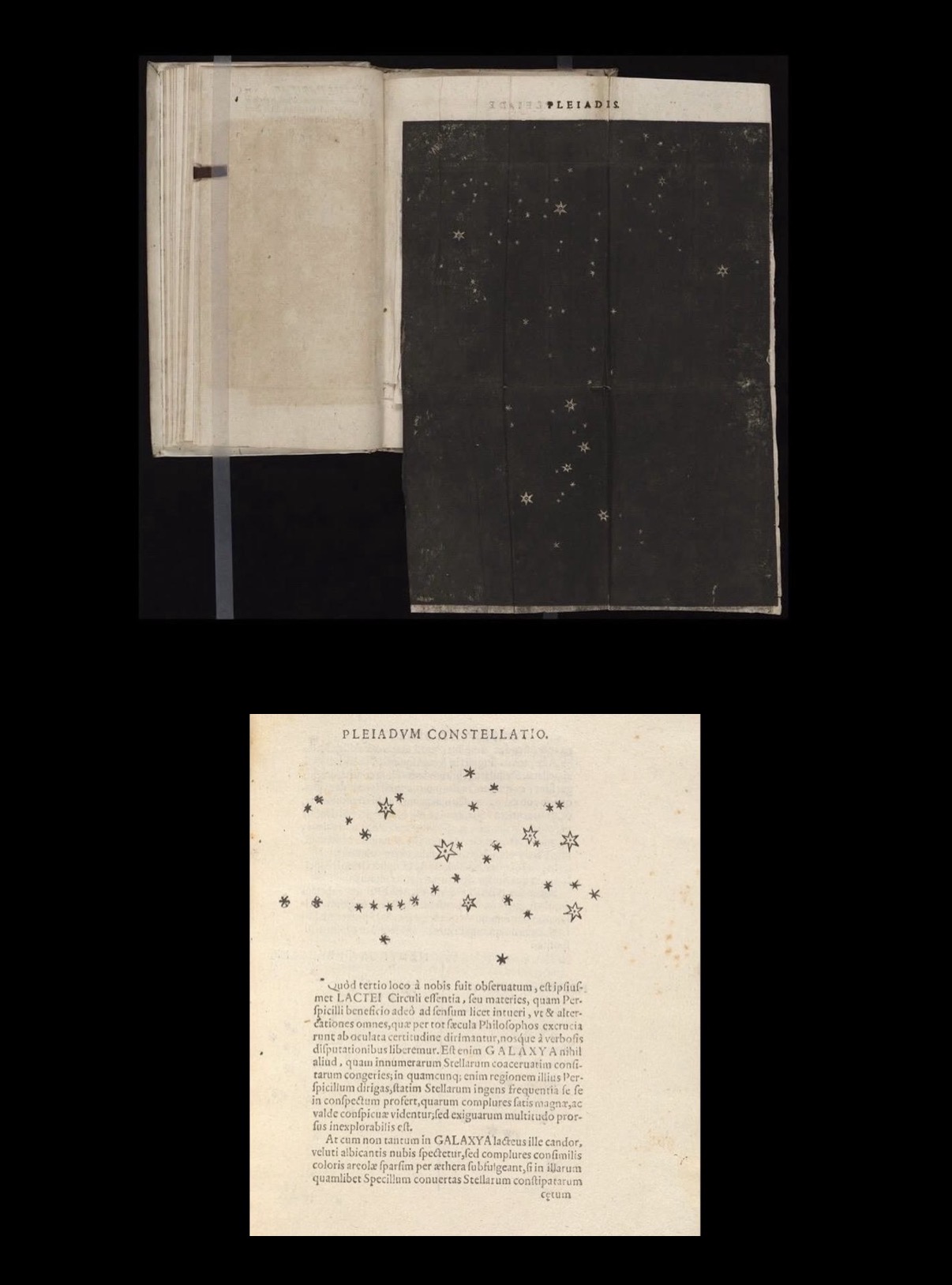
Galileo, Sidereus Nuncius

A research note on one of the first visual records of the night sky through a telescope. Not as a direct influence, but as a point of resonance: an early moment where observation, instrument and image became inseparable.

« For the Galaxy is nothing else but a mass of innumerable stars planted together in clusters. » Galileo, Sidereus Nuncius (1610), trans. E. S. Carlos, 1880.

Galileo, Sidereus Nuncius

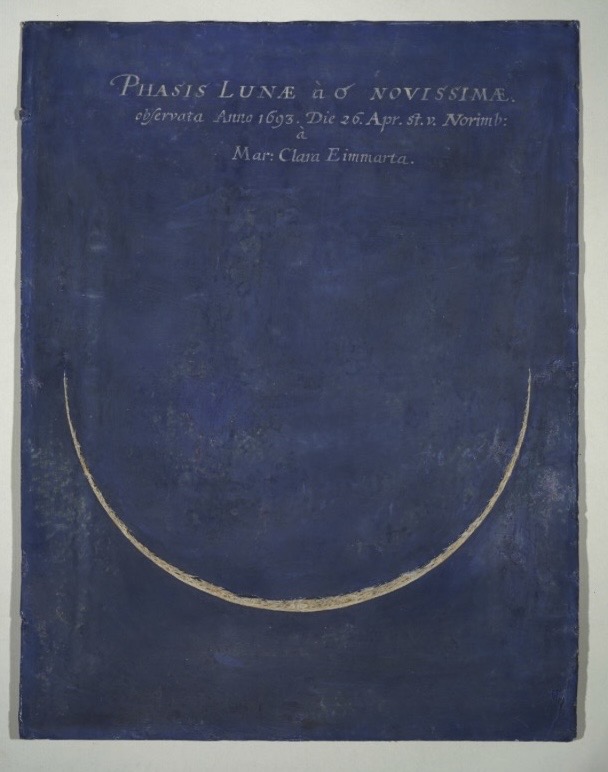
Maria Clara Eimmart (1676–1707)

Beyond its scientific purpose, what remains is the fragile imprint of a lunar phase: observed, held briefly on a surface, and already close to disappearance.

Maria Clara Eimmart, Second Phase of the Moon, 1693.

Maria Clara Eimmart, Second Phase of the Moon, 1693
Man Ray (1890–1976)

Man Ray's photographs have accompanied me in this way.
I cannot explain what moves me in them without diminishing it.
Their beauty feels immediate and inexplicable.

Deborah Parienti
Deborah Parienti

Story

Painting and the camera entered my practice together. I only know beauty when I have found it, and when I have not. Music is there beforehand, and stays through every decision I make.

My work is an ongoing body of photographic images created through years of observing the night sky. Every image begins with light that has travelled for centuries or even millennia before reaching the camera. I am not trying to reproduce the sky. I need the reality of having observed it. From there, observation, transformation and imagination become part of the same movement.

It began more than ten years ago, one night when I pointed a camera at the sky. What started as fascination gradually became a practice. I taught myself astronomy and astrophotography, learning to find my way through the sky with star maps, books and observation.

At first, I wanted accuracy. I wanted to understand what I was looking at and to photograph it as precisely as I could.

Then came the images I considered wrong.

They did not correspond to what I had intended to photograph. At first they were failures. But some of them made me stop. The error was not the work. It changed the way I looked. Instead of correcting the deviation, I chose to follow it.

I am not a scientist; I use science as I use my camera and telescope: as a way of looking. Star maps and astronomical observation give me the points of reference I need to know what I am observing and where an image begins.

What began there is no longer accidental. My process is intuitive, but it is intentional. I isolate minute areas of the recorded image and enlarge them until their original scale becomes uncertain. I follow what appears, make a choice, transform it, look again, sometimes go back or abandon an image entirely. The result is unpredictable, but the process is deliberate.

Science gives me the point from which the image begins. It does not determine where I have to stop. The artwork is not the sky, nor a star, nor a JPEG file. It is the result of looking for a long time, with passion and obsession. The image comes from that sustained attention ; from what was recorded long enough, chasing beauty and trying to catch it.

When I look up, I see space as it surrounds us: an immense stranger, still so enigmatic, and yet the space we are part of. This stranger embraces us. Humans have always waged war over what sets them apart. This relationship to the other is our condition, inevitable. And yet, it is this very idea that unites all of humanity. Across the earth, thousands of kilometers apart, at the very same moment, utterly different human beings can look at the same star. The otherness that divides us on earth is the one that unites us in the sky.

In "Una furtiva lagrima," the melody alone moves you, before the words, before the story. Something shifts in the chest before the mind has caught up. This is what I hope for, more than anything: that someone, somewhere, might feel a little bit of that. It would mean the journey had found its meaning.
Artist Voice

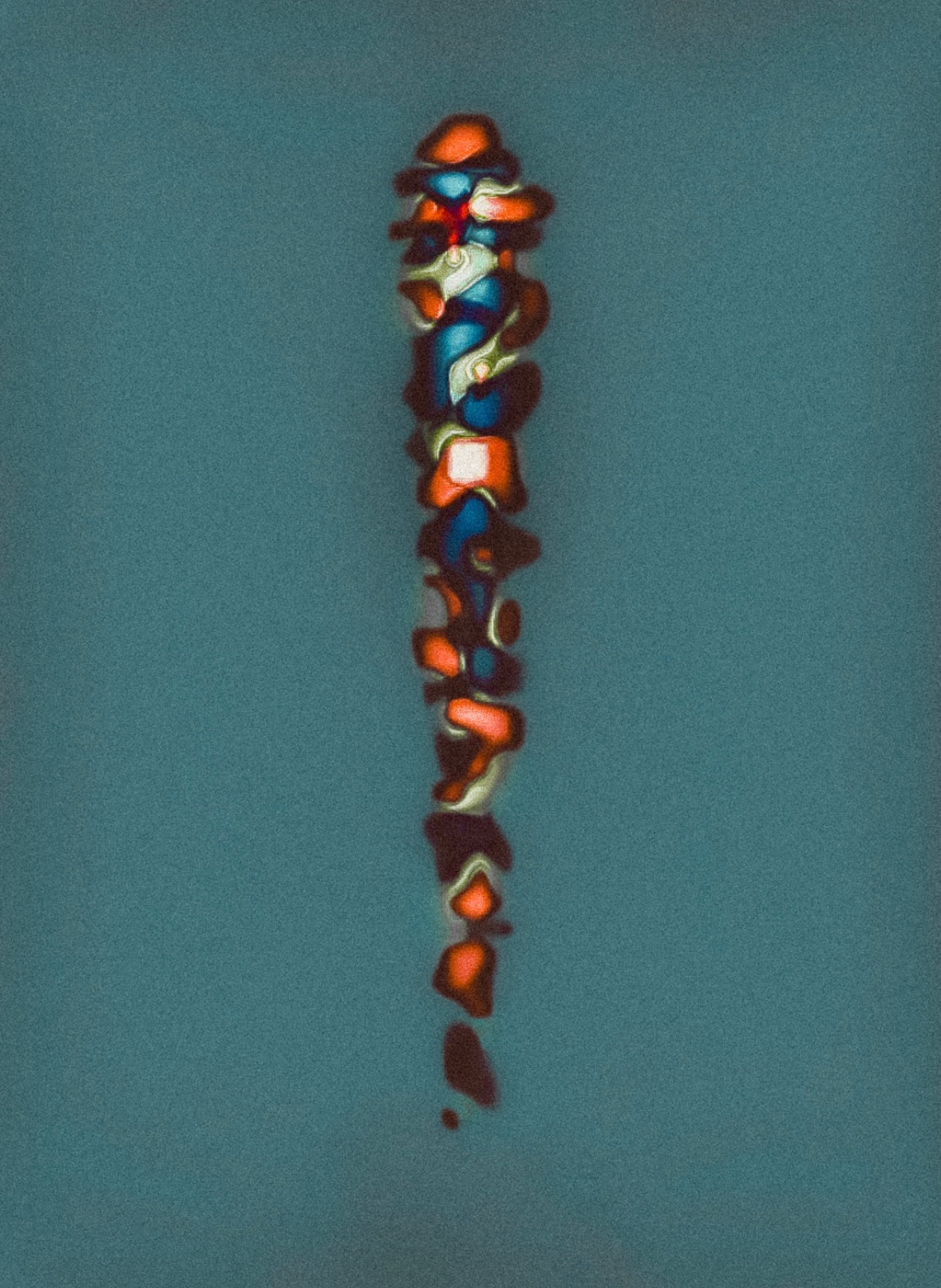
How cracks can appear beautiful.
Technical Note

I work with a Canon EOS 5D Mark IV, a Sigma 600 mm telephoto lens, an amateur telescope, and time. I work with the light that was recorded; I add no external imagery. The final photographs are printed by Laboratoire Janvier, Paris, on Hahnemühle Photo Rag or Fujiflex, depending on the image. The choice of paper is part of the work. Recent ones are unique prints (1/1). Earlier works were produced in small editions of 3 or 6, as indicated in each caption.

Biography

Deborah Parienti (b. 1979) is a French visual artist based in Paris. Self-taught, she has spent more than ten years photographing the night sky, developing a process in which observation itself became a way of making images.

Her work has been shown in Paris at RCM Galerie, curated by Fabien Béjean-Leibenson (Étoiles intérieures, 2023, on the eve of Paris Photo), and at Galerie Salon H, curated by Jacqueline Frydman (Ode aux étoiles, 2024). In 2023, two of her works, Flesh and Eyes on Mars, were sold in Paris at a benefit auction for the Tel Aviv Museum of Art. She is represented by Lebenson Gallery, London.

She is currently developing an evolving body of work bringing together finished photographs, process studies and source notebooks, tracing a single practice from first experiments to the images presented today.

The art critic Renaud Siegmann has undertaken a book on her work, currently in preparation.

© Deborah Parienti. All rights reserved.
{{ lbTitle }}